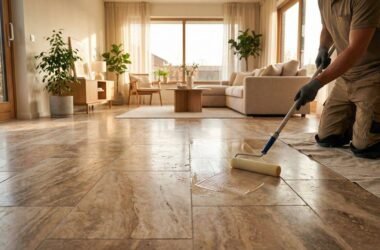



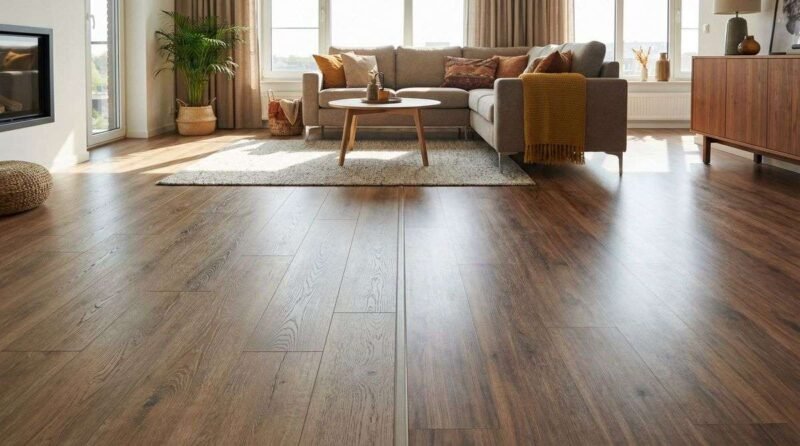
Choosing the right flooring for high-traffic areas can be a daunting task for homeowners. With countless options available, two popular choices consistently emerge: vinyl plank flooring and laminate flooring. Both offer aesthetic appeal and practical benefits, but their suitability for demanding environments varies significantly. This comprehensive guide aims to demystify the differences between vinyl plank and laminate, providing you with the essential insights needed to make an informed decision for your home’s busiest spaces.
Understanding the Basics: Vinyl Plank vs. Laminate
Vinyl plank flooring and laminate flooring are popular choices for homeowners seeking durable and aesthetically pleasing options, though they differ fundamentally in composition and performance. Vinyl plank, a synthetic product, excels in moisture resistance and flexibility, while laminate, with its wood-based core, offers superior scratch resistance and a realistic wood aesthetic at a generally lower cost. Understanding these core distinctions is crucial for selecting the optimal flooring for high-traffic areas.
What is Vinyl Plank Flooring?
Vinyl plank flooring, often referred to as Luxury Vinyl Plank (LVP), is a multi-layered synthetic flooring product. It typically consists of a resilient PVC core, a high-definition photographic layer mimicking natural materials like wood or stone, and a durable wear layer. Advanced versions include Wood Plastic Composite (WPC) or Stone Plastic Composite (SPC) cores, enhancing stability and water resistance [1]. This construction makes LVP highly adaptable to various environments, particularly those prone to moisture and heavy foot traffic.
What is Laminate Flooring?
Laminate flooring is constructed from several layers, primarily a high-density fiberboard (HDF) core, a photographic image layer, and a clear protective wear layer. It is designed to replicate the look of hardwood or stone at a more affordable price point [2]. Unlike vinyl, traditional laminate is wood-based, making it susceptible to moisture damage. However, advancements in manufacturing have introduced water-resistant laminate options, though they generally do not offer the same level of waterproof protection as LVP [3].
Performance in High-Traffic Areas: A Head-to-Head Comparison
When evaluating flooring for high-traffic areas, vinyl plank and laminate present distinct advantages and disadvantages across key performance metrics such as durability, water resistance, and comfort. Vinyl plank generally outperforms laminate in moisture-prone settings and offers a softer feel, while laminate often boasts superior scratch resistance and a more rigid underfoot experience. The ideal choice hinges on specific household needs and environmental factors.
Durability and Lifespan
Vinyl Plank: Known for exceptional durability, especially with thicker wear layers (e.g., 20 mil or more). Its flexible nature and robust core contribute to its resistance against scratches, dents, and impacts. Vinyl plank flooring typically lasts between 20 to 25 years with proper care [4].
Laminate: Offers good scratch and abrasion resistance, often rated by AC (Abrasion Class) ratings (AC3 for residential, AC4-AC5 for commercial). Its HDF core provides rigidity and stability against impacts. The lifespan of laminate flooring generally ranges from 10 to 15 years, but high-quality products with diligent maintenance can extend this to 20-30 years [5].
Water Resistance
Vinyl Plank: Fully waterproof, making it an ideal choice for moisture-prone areas such as kitchens, bathrooms, and basements. Its synthetic composition prevents swelling or warping from spills and humidity [1]. This characteristic makes LVP a reliable option for homes with children or pets where spills are common.
Laminate: Traditional laminate is not waterproof and can be severely damaged by excessive moisture, leading to swelling or warping of its wood-based core [3]. While water-resistant laminate options are available, they do not offer the same complete waterproof protection as vinyl plank and require immediate cleanup of spills to prevent damage [3].
Scratch and Dent Resistance
Vinyl Plank: Exhibits good resistance to scratches and dents, particularly when equipped with thicker wear layers. The inherent flexibility of vinyl helps to absorb impact, thereby reducing the likelihood of denting from dropped objects or heavy furniture [4].
Laminate: Features excellent scratch resistance primarily due to its tough aluminum oxide wear layer [4]. This makes it a strong contender for homes with pets or in areas where abrasive particles might be present. However, its rigid core can make it more susceptible to chipping or denting from very heavy, sharp impacts compared to the more forgiving nature of vinyl [4].
Comfort Underfoot and Acoustics
Vinyl Plank: Generally provides a softer and more comfortable feel underfoot due to its resilient core. This cushioning effect can be particularly beneficial in areas where individuals stand for extended periods. Additionally, vinyl plank tends to be quieter, effectively absorbing sound and reducing the hollow echo often associated with floating floors [5].
Laminate: Can feel harder and less forgiving underfoot compared to vinyl. Without proper underlayment, laminate may produce a hollow or clicky sound when walked upon, especially in large or empty rooms. While underlayment can mitigate some noise issues and improve comfort, it typically does not match the inherent softness of vinyl [5].
Cost, Installation, and Maintenance
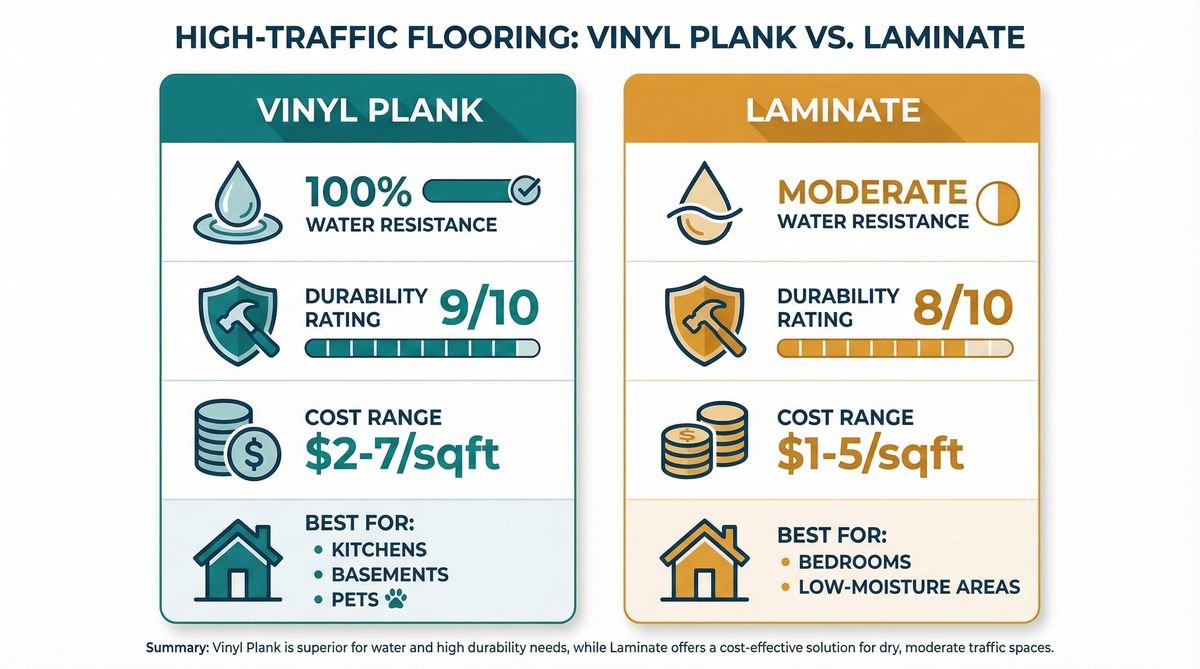
The financial and practical aspects of flooring, including initial cost, installation complexity, and ongoing maintenance, are critical considerations that differentiate vinyl plank from laminate. While laminate often boasts a lower upfront cost, vinyl plank can offer superior long-term value due to its enhanced durability and ease of maintenance, particularly in challenging environments. Installation methods are similar, but vinyl plank provides greater flexibility for imperfect subfloors.
Initial Cost and Long-Term Value
Vinyl Plank: Typically ranges from $3 to $7 per square foot, with prices varying based on quality, thickness, and wear layer. While it represents a higher initial investment than laminate, its superior durability and water resistance often translate to better long-term value, requiring fewer repairs and replacements over its lifespan [4].
Laminate: Generally more affordable, costing between $2 and $6 per square foot. This lower upfront cost can be attractive for budget-conscious homeowners. However, in high-moisture or very high-traffic areas, the potential for damage and more frequent replacement might lead to higher long-term costs compared to vinyl plank [4].
Installation Process
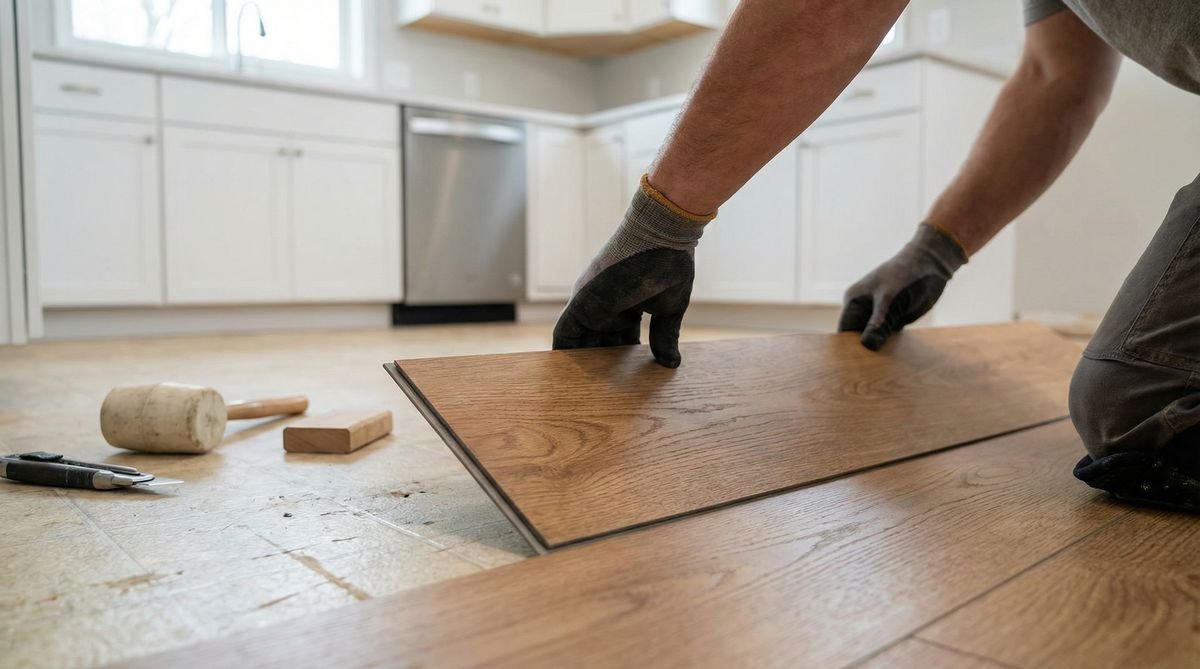
Vinyl Plank: Often features user-friendly click-lock systems, making it a popular choice for DIY installations. Its flexibility allows it to be more forgiving on slightly uneven subfloors. Additionally, glue-down options are available, providing maximum stability for specific applications [5].
Laminate: Also commonly utilizes click-lock systems, facilitating relatively straightforward installation. However, due to its wood-based core, laminate requires a perfectly level subfloor and mandates expansion gaps around the perimeter to accommodate natural expansion and contraction with temperature and humidity changes [5].
Cleaning and Care
Vinyl Plank: Extremely easy to clean and maintain. Its waterproof nature allows for wet mopping and the use of various cleaning solutions without concern for damage. Regular sweeping or vacuuming, combined with occasional damp or wet mopping, is usually sufficient to keep it pristine [4].
Laminate: While considered low-maintenance, it requires more careful cleaning to prevent potential water damage. Damp mopping is acceptable, but excessive moisture must be avoided, and spills should be cleaned immediately to protect the HDF core from swelling or warping [4].
Unique Differentiating Modules
Beyond the fundamental comparisons, vinyl plank and laminate flooring also present unique considerations regarding their impact on home resale value and their optimal application in various rooms. These differentiating factors can significantly influence a homeowner’s decision, aligning the flooring choice with long-term investment goals and specific functional needs of different living spaces.
Impact on Home Resale Value
Vinyl Plank: Due to its superior durability, water resistance, and modern aesthetic appeal, vinyl plank flooring often positively impacts a home’s resale value. Its low maintenance and longevity are attractive features for potential buyers, making it a sound investment for homeowners looking to enhance their property’s market appeal [4].
Laminate: While offering a cost-effective solution and a realistic wood look, laminate flooring generally has a neutral impact on resale value. Its vulnerability to moisture and shorter lifespan compared to high-quality vinyl plank can be a consideration for buyers, especially in homes where durability in high-traffic or moisture-prone areas is a priority [4].
Best Applications: Room-by-Room Recommendations
Vinyl Plank: Highly recommended for all high-traffic and moisture-prone areas, including kitchens, bathrooms, laundry rooms, basements, entryways, and mudrooms. Its waterproof properties and resilience make it ideal for spaces where spills, humidity, and heavy foot traffic are common [1].
Laminate: Best suited for high-traffic, dry areas such as living rooms, bedrooms, hallways, and dining rooms. Its excellent scratch resistance is a significant advantage in these spaces. While water-resistant laminate can be used in kitchens, it is crucial to manage spills promptly and avoid excessive moisture [3].
Frequently Asked Questions (FAQs)
This section addresses common inquiries regarding vinyl plank and laminate flooring, offering concise answers to help clarify key decision-making points for homeowners. From performance in high-traffic areas to environmental considerations, these FAQs provide quick insights into the most pressing questions.
1. Which is truly better for high-traffic areas: vinyl plank or laminate?
Vinyl plank flooring is generally considered better for high-traffic areas, especially those prone to moisture, due to its superior water resistance and overall durability. Laminate offers excellent scratch resistance but is more vulnerable to water damage [4].
2. Is vinyl plank flooring completely waterproof?
Yes, most modern vinyl plank flooring options are completely waterproof, making them an excellent choice for moisture-prone environments like bathrooms, kitchens, and basements [1].
3. Can laminate flooring be installed in bathrooms or basements?
Traditional laminate flooring is not recommended for bathrooms or basements due to its susceptibility to water damage. However, some manufacturers offer water-resistant laminate options that can be used in these areas, provided spills are managed promptly [3].
4. What is the typical lifespan of vinyl plank versus laminate flooring?
Vinyl plank flooring typically lasts between 20 to 25 years, while laminate flooring generally has a lifespan of 10 to 15 years. High-quality products and proper maintenance can extend these lifespans [4, 5].
5. How do the costs compare, including installation?
Laminate flooring usually has a lower initial cost ($2-$6 per square foot) compared to vinyl plank flooring ($3-$7 per square foot). Installation costs are relatively similar for both, but vinyl plank often offers better long-term value due to its durability [4].
6. What are the environmental considerations for each type of flooring?
Laminate flooring, being wood-based, is often considered more eco-friendly and can contain recycled content. Vinyl plank, made from PVC, has raised environmental concerns due to its production and limited recyclability, though low-VOC options are available [5].
7. Are there specific maintenance tips for high-traffic areas?
For both, regular sweeping or vacuuming is crucial. Vinyl plank can be wet mopped, while laminate requires careful damp mopping and immediate cleanup of spills to prevent water damage [4].
Conclusion
Choosing between vinyl plank and laminate flooring for high-traffic areas ultimately depends on a careful evaluation of your specific needs, budget, and lifestyle. Vinyl plank stands out for its superior water resistance, exceptional durability, and comfort underfoot, making it an ideal choice for moisture-prone and heavily used spaces. Laminate, while more budget-friendly and offering excellent scratch resistance, is better suited for drier, high-traffic areas.
By considering factors such as potential moisture exposure, the intensity of foot traffic, desired aesthetic, and long-term value, homeowners can make an informed decision. Both flooring types offer compelling advantages, and selecting the right one will ensure lasting satisfaction and enhance the beauty and functionality of your home for years to come.
References
- Carpet One. “Laminate vs. Vinyl Flooring: A Comparative Guide.” https://www.carpetone.com/flooring-guide/product-laminate/laminate-vs-vinyl-flooring
- Flooring America. “Laminate vs. Vinyl Flooring FAQ.” https://www.flooringamerica.com/flooring-faq/starting-a-project-faq/laminate-vs-vinyl-flooring
- Encore Floors. “Luxury Vinyl Plank vs. Laminate Flooring: Pros, Cons, and Key Differences.” https://encorefloors.com/blog/luxury-vinyl-plank-vs-laminate-flooring-pros-cons-and-key-differences/
- Elephant Floors. “Vinyl vs. Laminate: Best for High Traffic Areas.” https://elephantfloors.shop/blogs/posts/vinyl-vs-laminate-best-for-high-traffic-areas
- Country Wood Floor. “Laminate vs. Vinyl Flooring: Which is Right for You?” https://www.countrywoodfloor.com/blog/laminate-vs-vinyl-flooring