



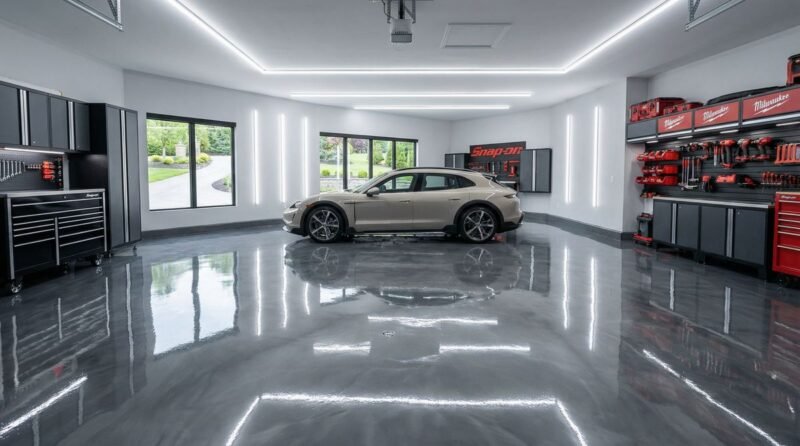
Epoxy garage floor coatings have become a popular choice among homeowners seeking to enhance the durability and aesthetics of their garage floors. This article explores the advantages and disadvantages of epoxy coatings, helping homeowners make informed decisions about their garage floor improvements.
Introduction to Epoxy Floor Coatings
Answer Capsule: Epoxy floor coatings are a durable and visually appealing option for garage floors, created by mixing resin and hardener to form a tough surface. Understanding their composition and usage helps homeowners evaluate their suitability for home improvement projects.
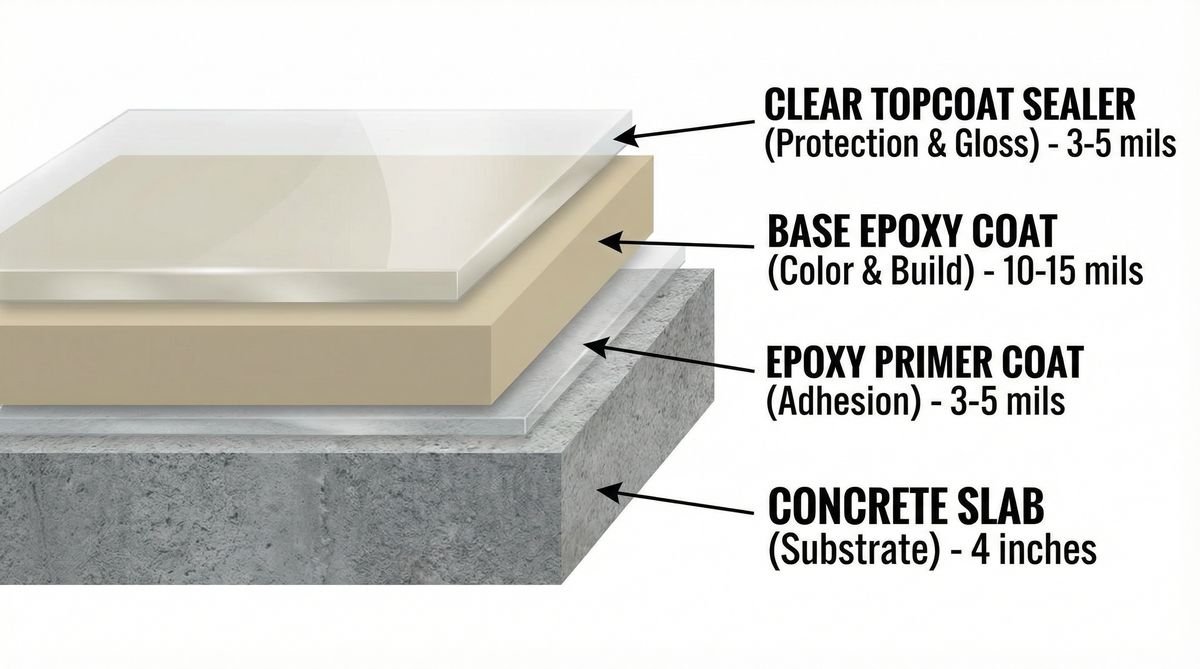
Epoxy coatings consist of a two-part system: a resin and a hardener. When combined, these chemicals create a rigid plastic material that bonds firmly to the concrete surface. This results in a high-performance finish that is resistant to stains, chemicals, and abrasions. Epoxy coatings are widely used in industrial settings but have gained traction in residential applications due to their versatility and attractive finish.
Advantages of Epoxy Garage Floor Coating
Answer Capsule: Epoxy coatings offer several benefits including durability, resistance to chemicals, ease of cleaning, and enhanced aesthetics, making them a favored choice for garage flooring.
Durability and Chemical Resistance
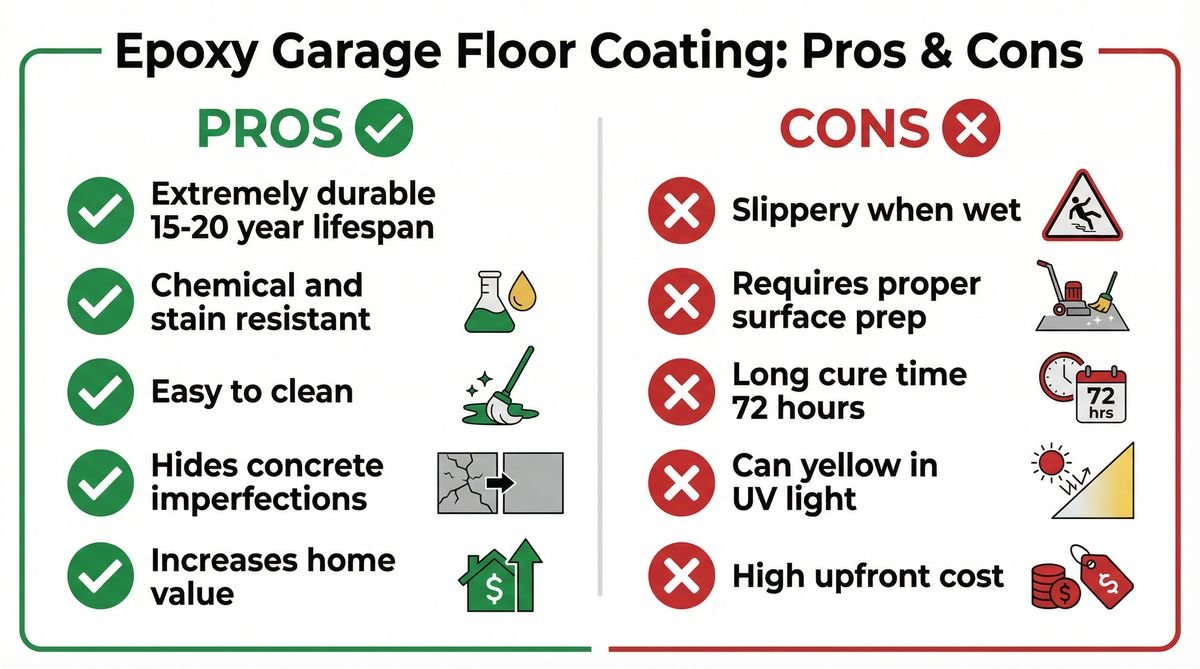
One of the most significant benefits of epoxy coatings is their exceptional durability. Once cured, epoxy forms a hard surface that can withstand heavy vehicular traffic, dropping tools, and other impacts typical in a garage environment. Additionally, epoxy is highly resistant to chemicals such as motor oil, gasoline, and brake fluid, helping to protect the concrete underneath from damage and stains.
Aesthetic Enhancement
Epoxy coatings come in a variety of colors and finishes, including high gloss, matte, and metallic effects. This allows homeowners to customize the appearance of their garage floors to complement their home’s design. The seamless finish also makes the space look cleaner and more polished.
Ease of Cleaning and Maintenance
The smooth, non-porous surface created by epoxy coatings makes cleaning straightforward. Dust, dirt, and spills can be wiped away with minimal effort. Unlike bare concrete, which can absorb stains and harbor dirt, epoxy floors maintain their appearance for years with routine cleaning.
Resistance to Moisture and Mold
Epoxy coatings create a moisture-resistant barrier over concrete floors, which helps inhibit mold and mildew growth. This is particularly beneficial in humid climates or garages that are prone to dampness.
Increased Property Value
Investing in epoxy garage floor coatings can boost the overall value of a home. Potential buyers often view a well-maintained garage floor as a sign of a cared-for property, making it an attractive feature during resale.
Disadvantages of Epoxy Garage Floor Coating
Answer Capsule: Despite its benefits, epoxy coatings have drawbacks including installation challenges, sensitivity to moisture during application, and potential for cracking over time.
Complex Installation Process
Applying epoxy flooring requires careful surface preparation, including cleaning, repairing cracks, and sometimes etching the concrete to ensure proper adhesion. The process can be time-consuming and often requires professional installation to achieve optimal results. Improper application can lead to peeling or bubbling.
Sensitivity to Moisture
Concrete floors must be dry before applying epoxy. Moisture trapped beneath the coating can lead to adhesion failure, causing the epoxy to bubble or peel. This limitation means that garages with high moisture levels may require additional preparation or alternative flooring solutions.
Potential for Cracking and Chipping
Although epoxy is durable, it can crack or chip if the concrete underneath shifts or if heavy objects are dropped repeatedly on the surface. Repairs may require sanding and recoating sections of the floor to maintain a consistent appearance.
Limited UV Resistance
Epoxy coatings can yellow or degrade when exposed to direct sunlight for prolonged periods. Garages with open doors or windows that allow sunlight in may experience fading or discoloration over time, which can detract from the floor’s appearance.
Slipperiness When Wet
Epoxy floors can become slippery when wet, posing a safety risk. To mitigate this, anti-slip additives can be incorporated during application, but this may affect the smoothness and gloss of the finish.
Cost Considerations
Answer Capsule: Epoxy garage floor coatings involve variable costs dependent on materials, labor, and preparation, but generally represent a cost-effective upgrade compared to other flooring options.
The price of epoxy coatings varies widely based on factors such as floor size, quality of epoxy, and labor costs. On average, homeowners can expect to pay between $3 to $12 per square foot. While higher-end epoxies and professional installation add to the expense, the long lifespan and low maintenance costs typically justify the investment.
Homeowners weighing epoxy against alternatives like concrete paint or tiles should consider both upfront costs and long-term durability. Epoxy generally offers better protection and longevity, reducing the need for frequent repairs or replacements.
Maintenance Tips for Epoxy Garage Floor Coatings
Answer Capsule: Proper maintenance of epoxy floors involves regular cleaning, prompt spill removal, and periodic inspections to extend the coating’s lifespan.
- Use a soft-bristle broom or vacuum regularly to remove dust and debris.
- Clean spills immediately with mild detergent and water to prevent staining.
- Avoid harsh chemicals or abrasive cleaning tools that can damage the coating.
- Inspect the floor periodically for cracks or chips and repair as needed.
- Consider applying a fresh epoxy topcoat every few years to maintain protection and appearance.
Is Epoxy Floor Coating Right for Your Garage?
Answer Capsule: Deciding on epoxy flooring depends on individual garage conditions, budget, and desired aesthetics, balanced against the material’s pros and cons.
Epoxy garage floor coatings suit homeowners seeking durability, enhanced appearance, and easy maintenance. However, challenges like moisture sensitivity and installation complexity mean the solution isn’t ideal for all situations. Those with damp garages or limited budgets may explore alternatives such as concrete sealers or interlocking tiles.
Consulting with flooring professionals can help assess the garage’s condition and recommend the best flooring option to meet both functional and aesthetic goals.
Frequently Asked Questions
How long does epoxy garage floor coating last?
With proper installation and maintenance, epoxy coatings can last between 5 to 10 years or longer. Durability depends on traffic, environmental conditions, and care.
Can I apply epoxy coating myself?
While DIY kits are available, professional installation is recommended for best results due to the detailed surface preparation and precise mixing required.
What should I do if my epoxy floor cracks?
Small cracks can be repaired with epoxy patch kits or by sanding and recoating the affected area. For extensive damage, professional assessment is advisable.
Is epoxy flooring safe for pets?
Epoxy floors are generally safe for pets, but it is important to ensure the coating is fully cured before allowing animals on the surface. Some additives can enhance slip resistance to protect pets.
How do I clean an epoxy garage floor?
Regular sweeping or vacuuming, combined with mopping using mild soap and water, keeps epoxy floors clean. Avoid using harsh chemicals or abrasive tools.
References
- Epoxy.com – Epoxy Flooring Overview
- Concrete Network. (2023). Epoxy Floor Coating Guide.
- Home Improvement Research Institute. (2022). Garage Flooring Trends and Durability.