



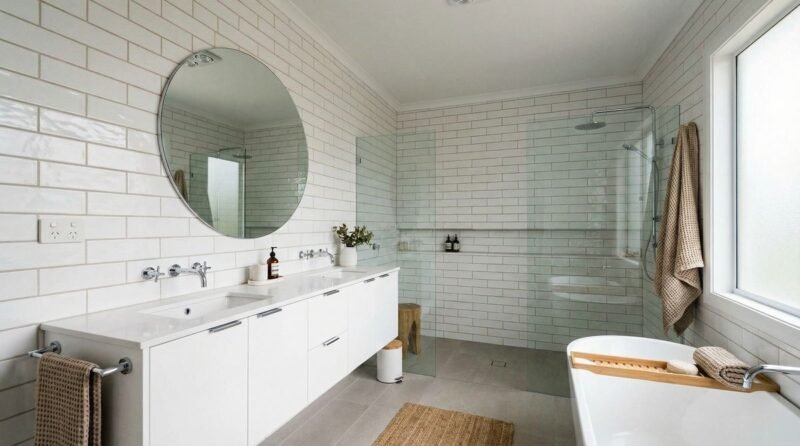
Selecting the perfect grout color for subway tile is a critical design decision in home improvement and real estate projects. The grout can either highlight the tiles’ classic look or subtly blend to create a seamless finish. This guide explores expert strategies to help homeowners, designers, and real estate professionals make informed choices that enhance aesthetic appeal and functionality.
Understanding Subway Tile and Grout
Answer Capsule: Subway tile’s timeless appeal is complemented by grout, which fills the gaps and affects the overall look. Understanding their relationship is essential to choosing a grout color that enhances both style and durability.
Subway tile, traditionally a rectangular ceramic tile measuring 3×6 inches, is popular for its clean, classic appearance. The grout lines—the spaces filled with grout between tiles—play a significant role in defining the tile pattern and the room’s atmosphere. Grout color choices range from matching hues to contrasting shades, influencing visual texture, perceived space, and maintenance considerations.
Classic white subway tile with light gray grout accentuating the pattern
Why Grout Color Matters
Answer Capsule: Grout color impacts aesthetics, space perception, and cleaning ease. The right choice balances style and practicality, ensuring the subway tile enhances the room’s overall design and longevity.
The grout color can either make the tile pattern pop or create a smooth, uniform surface. Light grout tends to brighten spaces, making them feel larger, while darker grout offers contrast and can be more forgiving with stains. Beyond looks, grout color affects maintenance: lighter grout shows dirt and discoloration more quickly, whereas darker grout may require less frequent cleaning but can fade over time.
Aesthetic Impact
Choosing grout color affects the visual rhythm of the subway tile installation. High-contrast grout highlights the grid pattern, ideal for retro or industrial designs. Coordinating grout creates a subtle, elegant look, perfect for modern or minimalist interiors.
Perceived Space and Light
Light grout colors reflect more light and visually expand the area, making them suitable for small or dimly lit rooms. Dark grout absorbs light and can make spaces feel cozier or more intimate, which is desirable in larger or well-lit areas.
Maintenance Considerations
Grout is porous and prone to staining. Light grout, while bright and airy, can require regular sealing and cleaning to maintain its appearance. Dark grout is more stain-resistant but can show soap scum or mineral deposits more clearly depending on water quality.
Factors to Consider When Choosing Grout Color
Answer Capsule: Effective grout color selection depends on tile color, room size, style preferences, and maintenance needs. Evaluating these factors ensures the grout complements the subway tile and fits the homeowner’s lifestyle.
Tile Color and Style
The grout should harmonize with the tile color. For white subway tiles, popular grout colors include white for a clean look, gray for subtle contrast, or black for bold definition. For colored or patterned subway tiles, neutral grouts often work best to avoid visual overload.
Room Size and Lighting
In small bathrooms or kitchens, lighter grout colors help open up the space, while darker grout is well-suited to larger rooms or accent walls. Natural and artificial lighting also influence grout appearance; test samples in different light conditions before committing.
Style and Mood
Match grout color to the desired ambiance: soft, matching grout contributes to a calm, seamless feel, while contrasting grout adds energy and structure. Consider the overall design style—traditional, modern, farmhouse, or industrial—and select grout that supports that vision.
Maintenance and Longevity
Evaluate how much maintenance the homeowner is willing to perform. Sealing grout regularly prolongs its life and maintains color vibrancy. For high-traffic areas, choosing a stain-resistant grout color can reduce cleaning efforts.
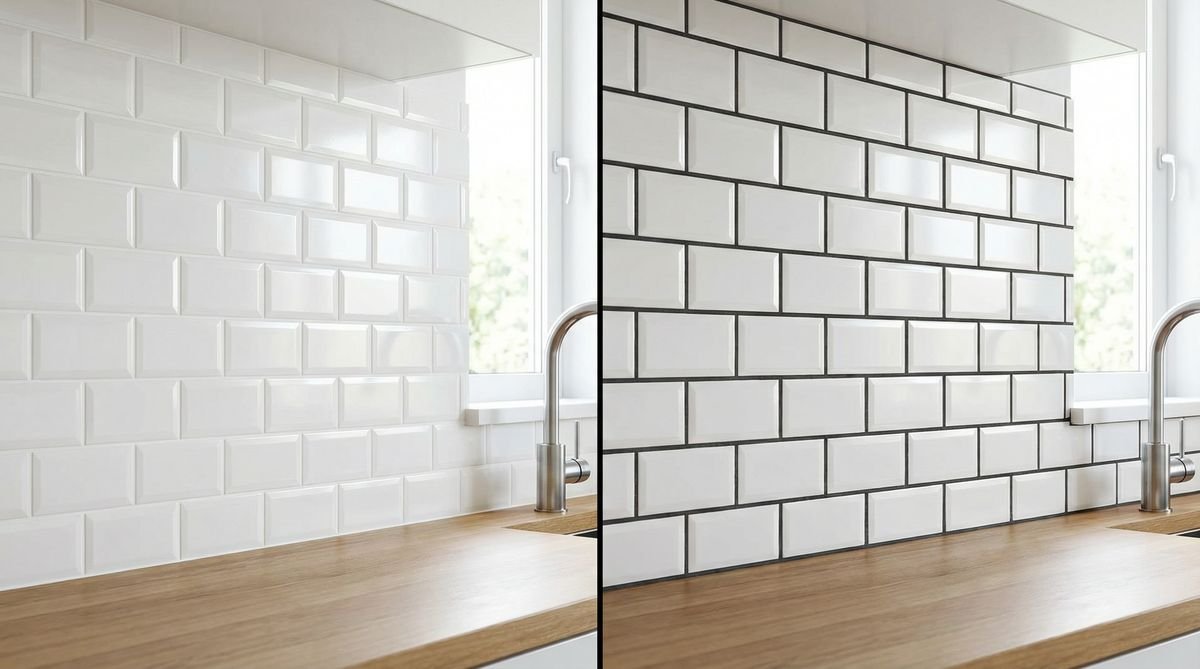
Dark grout providing a striking contrast to white subway tile in a kitchen backsplash
Popular Grout Color Options for Subway Tile
Answer Capsule: Several grout colors are favored for subway tile installations, each offering unique effects. Understanding their pros and cons helps narrow down the best choice for specific design goals.
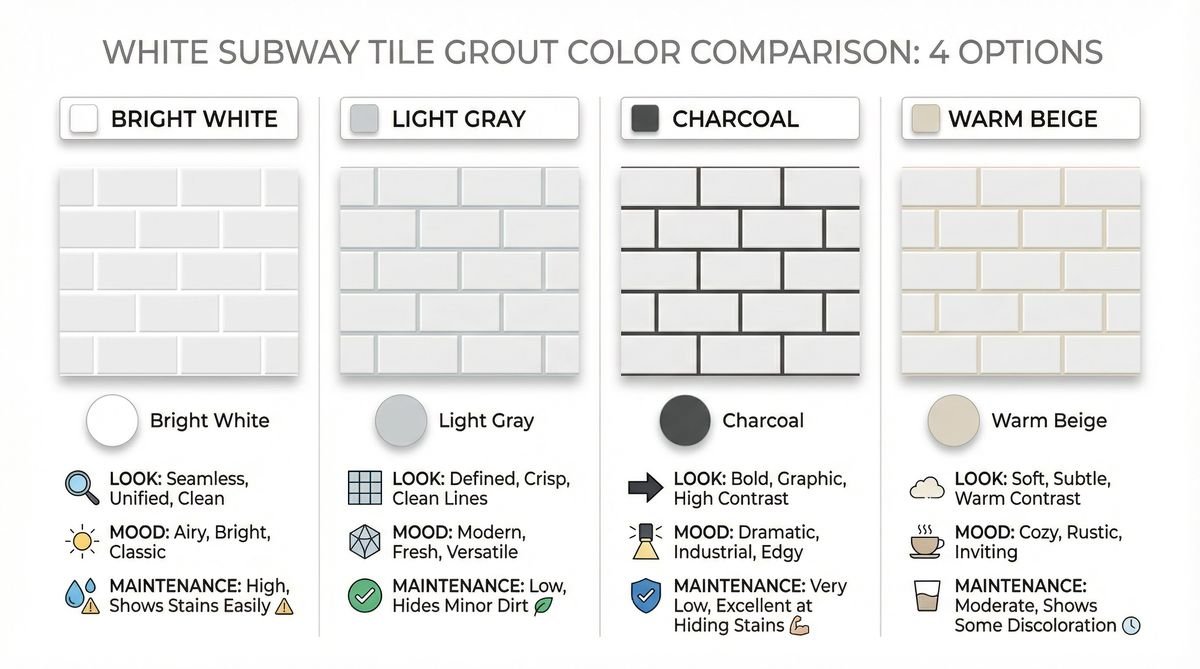
| Grout Color | Effect | Best For | Maintenance |
|---|---|---|---|
| White | Clean, seamless look | Bright, small spaces | High maintenance; stains easily |
| Light Gray | Subtle contrast, modern | Neutral palettes, contemporary styles | Moderate maintenance |
| Dark Gray/Charcoal | Bold contrast, defines pattern | Industrial, modern kitchens/bathrooms | Low to moderate maintenance |
| Beige/Tan | Warm, natural tone | Traditional, rustic, farmhouse | Moderate maintenance |
| Colored Grout (e.g., blue, green) | Accent color, playful vibe | Eclectic, creative spaces | Varies by color |
Testing and Sampling Grout Colors
Answer Capsule: Sampling grout colors in the actual space ensures the final choice complements lighting and design. Testing small patches prevents costly mistakes and aligns expectations with reality.
Before committing to a grout color, apply samples on a small area of the subway tile or use grout color kits available from suppliers. Observe how the grout looks under different lighting conditions—natural daylight, evening lamps, and task lighting. This hands-on approach helps visualize the final effect and ensures compatibility with other design elements.
Professional Tips for Choosing Grout Color
Answer Capsule: Expert advice on grout choice includes considering grout joint width, sealing protocols, and coordinating with other room finishes for a cohesive design.
- Joint Width: Narrow grout lines benefit from grout colors close to the tile shade to avoid harsh lines, while wider joints can handle more contrast.
- Sealing and Maintenance: Always seal grout after installation to prevent stains and discoloration, especially with light colors.
- Coordinate With Room Elements: Match grout color with countertops, cabinetry, and flooring to create a harmonious look.
- Consider Longevity: Choose timeless grout colors that won’t look dated in a few years.
Frequently Asked Questions
Can I use any grout color with subway tile?
While technically any grout color can be used, choosing one that complements the tile color and room style is crucial. Some colors may clash or highlight imperfections, so testing samples is recommended.
How does grout color affect cleaning?
Light-colored grout shows dirt and stains more readily and requires frequent cleaning and sealing. Dark grout hides stains better but may show soap scum or mineral deposits depending on water quality.
Should grout color match the tile color?
Matching grout creates a smooth, uniform look, while contrasting grout emphasizes tile patterns. The choice depends on the desired style and effect.
Can grout color be changed after installation?
Grout color can be changed using grout colorants or stains, but this process requires professional application for even results and may not be suitable for all grout types.
Is darker grout more durable than lighter grout?
Grout color itself does not affect durability. However, darker grout may appear less worn over time because it hides stains and discoloration better than lighter shades.
Warm beige grout providing a soft complement to white subway tile in a bathroom
Conclusion
Choosing the right grout color for subway tile is a nuanced decision that balances aesthetics, room size, lighting, style, and maintenance. Whether opting for a matching grout to create a seamless look or a contrasting grout to emphasize patterns, testing samples and considering the overall design scheme ensures a satisfying and lasting result. Proper selection enhances the timeless charm of subway tile and elevates any space’s visual appeal.
References
- Houzz: How to Choose the Right Grout Color
- Tile Council of North America, Grout Guidelines
- National Kitchen and Bath Association, Design Trends and Tips
- Home Improvement Magazine, Subway Tile Design Ideas