


In modern homes, selecting appropriate window treatments for privacy is paramount. It safeguards personal space, influences indoor lighting, energy efficiency, and overall home aesthetics. A thoughtfully chosen treatment transforms your house into a secure, comfortable, and personalized sanctuary, enhancing its value and your living experience. This guide explores how to intelligently select suitable window privacy solutions based on your specific needs, helping you create a private, comfortable living environment while elevating your home’s appeal.
Understanding Your Privacy Needs: Beyond Basic Considerations
Choosing the right window privacy treatment requires a deep understanding of your specific needs, balancing light, view, room function, and lifestyle. Overlooking these considerations can lead to unsuitable solutions.
Assessing Light Control and View Obstruction
Define your requirements for light control and view obstruction. Do you need complete blackout or natural light with privacy? Different materials offer varying concealment. Bedrooms might need complete blackout; a study might benefit from soft light filtering. Consider the following:
- Privacy Level: Block external views completely, or allow some light? Ground-floor windows often need higher privacy, using opaque materials like blackout roller shades or frosted window films. Moderate privacy allows semi-sheer curtains or adjustable blinds.
- Light Management: All-day illumination or specific light blockage? South-facing windows may need strong shading. Light-filtering shades soften glare; blackout curtains provide darkness. Smart treatments automate control.
- Room Orientation and Sun Exposure: Does the room face intense direct sunlight? UV protection is vital. West-facing windows benefit from insulated cellular shades. North-facing windows suit translucent treatments.
- Energy Efficiency and Soundproofing: Need insulation or soundproofing? Cellular shades and heavy drapes excel, reducing utility bills and noise.
- Aesthetics and Style: Should treatments enhance decor? Color, material, and style must harmonize with your home’s design.
Considering Room Function and Lifestyle
Different rooms have varying privacy needs. Bedrooms demand highest privacy and light blockage. Living rooms balance light and external connection. Your lifestyle, including working from home or having children/pets, also influences choices. Cordless treatments are safer for children. One-way privacy films are practical for street-facing windows. The table below summarizes typical privacy needs and recommended solutions for different rooms:
| Room Type | Primary Privacy Need | Light Control Preference | Recommended Solutions | Additional Considerations |
|---|---|---|---|---|
| Bedroom | High privacy, complete blackout | Complete blackout, or adjustable light | Blackout roller shades, cellular shades, heavy drapes, Roman shades | Soundproofing, energy efficiency, sleep quality, cordless safety, smart control |
| Bathroom | Ultimate privacy, moisture resistance | Partial or complete blackout, glare reduction | Waterproof blinds, frosted window film, vinyl roller shades, faux wood blinds | Mold resistance, easy to clean, ventilation, water resistance |
| Living Room | Moderate privacy, light retention | Light filtering or partial blackout, adjustable | Sheer curtains, light-filtering roller shades, wood blinds, layered curtains | Decorative appeal, view, social space, smart home integration, UV protection |
| Kitchen | Moderate privacy, easy to clean | Light retention, grease resistance | Faux wood blinds, roller shades, Roman shades (washable) | Durability, fire resistance, easy maintenance, oil stain resistance, ventilation |
| Study/Office | Moderate privacy, glare reduction | Soft light filtering, eye protection | Cellular shades, blinds, vertical blinds, dual roller shades | Work efficiency, focus, screen glare, smart control, soundproofing |
| Children’s Room | High privacy, safety | Complete blackout, cordless design | Cordless roller shades, cellular shades, safety blinds, cartoon print curtains | Child safety, easy to clean, eco-friendly materials, fun designs, durability |
Popular Window Treatment Solutions for Enhanced Privacy
A diverse range of window treatment solutions offer unique privacy protection and complement various home styles. Understanding their features helps in making the most suitable decision.
Shades: Versatility and Practicality (Roller, Roman, Cellular, Pleated)
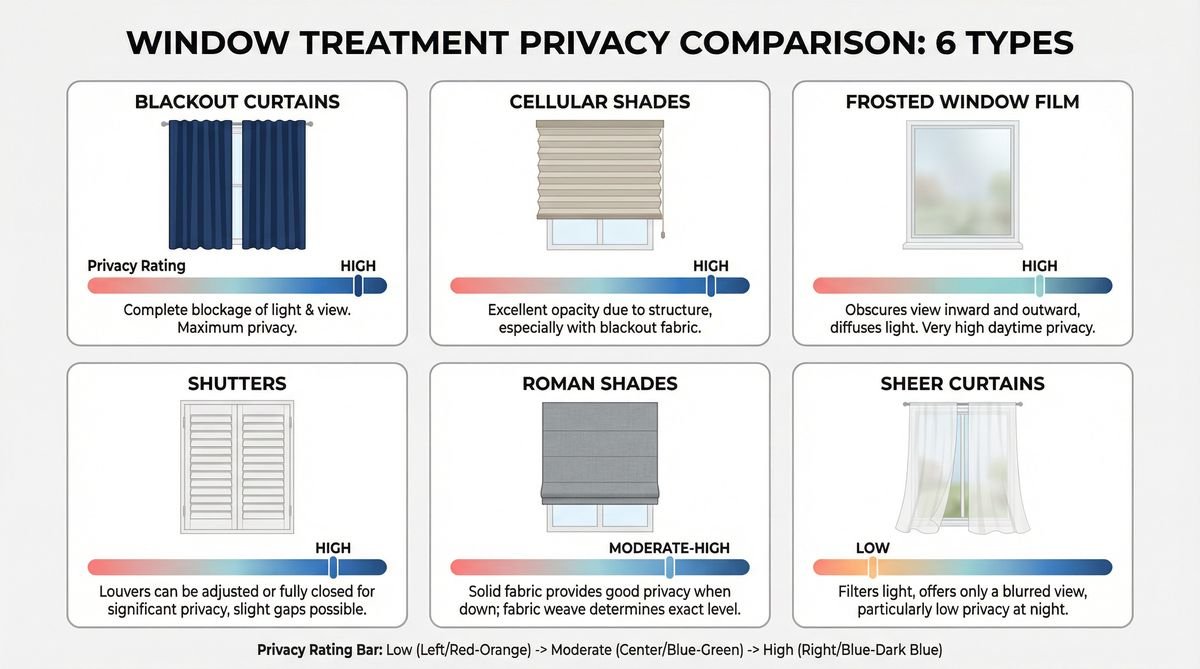
Shades vary widely. Roller shades offer clean lines and efficient light blocking, ideal for modern minimalist interiors and ultimate blackout needs. They are easy to operate and come in diverse materials. Smart systems allow automated control. Roman shades add elegance with their folding design, offering light filtering to blackout options. They are customizable in fabric, pattern, and color. Cellular shades (honeycomb shades) provide excellent insulation and soundproofing due to their unique structure, reducing energy consumption. They are available in various layers for enhanced insulation and often feature cordless operation for safety. Pleated shades offer soft light filtering and privacy with their distinctive pleats, bringing lightness and artistry to a room.
Blinds: Adjustable Control (Venetian, Vertical, Mini)
Blinds offer flexible light and privacy control through adjustable slats. Venetian blinds are classic, available in wood, faux wood, and aluminum, fitting various styles. Wood adds warmth, faux wood resists moisture, and aluminum is economical. Vertical blinds suit large windows or patio doors, offering vertical coverage and easy access. They rotate 180 degrees for light control and come in fabric, PVC, or aluminum. Mini blinds are ideal for smaller windows, offering precise light control with small slats. They are often aluminum, moisture-resistant, and easy to clean, making them a practical and affordable choice.
Curtains and Draperies: Classic Elegance and Layered Options
Traditional curtains and draperies provide privacy and elegance. Layering, such as sheer curtains with heavy drapes, offers flexible light and privacy control. This also adds insulation, soundproofing, and UV protection. Material and pattern choices significantly influence ambiance. This classic combination suits those seeking traditional aesthetics and multifunctionality.
Innovative Solutions: Smart Glass and Window Films
Smart glass and window films offer modern privacy solutions. Smart glass switches between transparent and opaque with a touch, ideal for smart homes needing instant privacy. It integrates with smart systems but is costly. Window films are an economical alternative, applied to existing glass for frosted, tinted, or reflective effects. They block views without sacrificing light, offer UV protection, and improve energy efficiency. Window films are DIY-friendly and come in various styles, suitable for renters or budget-conscious users.
Balancing Privacy and Natural Light
Finding the perfect balance between privacy and natural light is crucial for enhancing living quality. These solutions help maximize natural light without sacrificing privacy.
Top-Down/Bottom-Up Shades: Flexible Options
Top-down/bottom-up shades allow adjustment from top or bottom, maintaining lower privacy while letting light in from above. This is ideal for ground-floor rooms, offering precise control over light and privacy. They prevent prying eyes while allowing views of the sky. Operation can be manual, motorized, or smart, suitable for bedrooms or bathrooms.
Semi-Sheer Curtains and Light-Filtering Fabrics
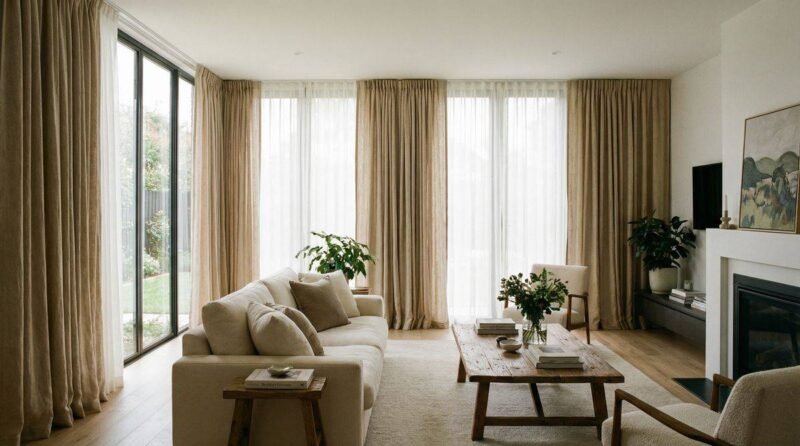
Semi-sheer curtains and light-filtering fabrics blur external views without blocking all light, providing soft privacy. They diffuse natural light, creating a comfortable atmosphere, suitable for living rooms and dining areas. They also block UV rays. Different opacities allow personalized light management. They are easy to clean and maintain, offering both aesthetics and practicality.
Choosing Window Treatments for Specific Rooms
Each room’s function and needs differ, so window treatments should be tailored. Selecting the right solution maximizes functionality, comfort, and aligns with home style.
Bedroom: Maximizing Darkness and Concealment
Bedroom treatments prioritize blackout and soundproofing for quality sleep and privacy. Heavy blackout curtains, cellular shades, or Roman shades with blackout linings are excellent. Insulating treatments regulate temperature. Cordless designs are safe for children. Smart curtains offer convenient control. Coordinate with overall bedroom style.
Bathroom: Moisture Resistance and Ultimate Privacy
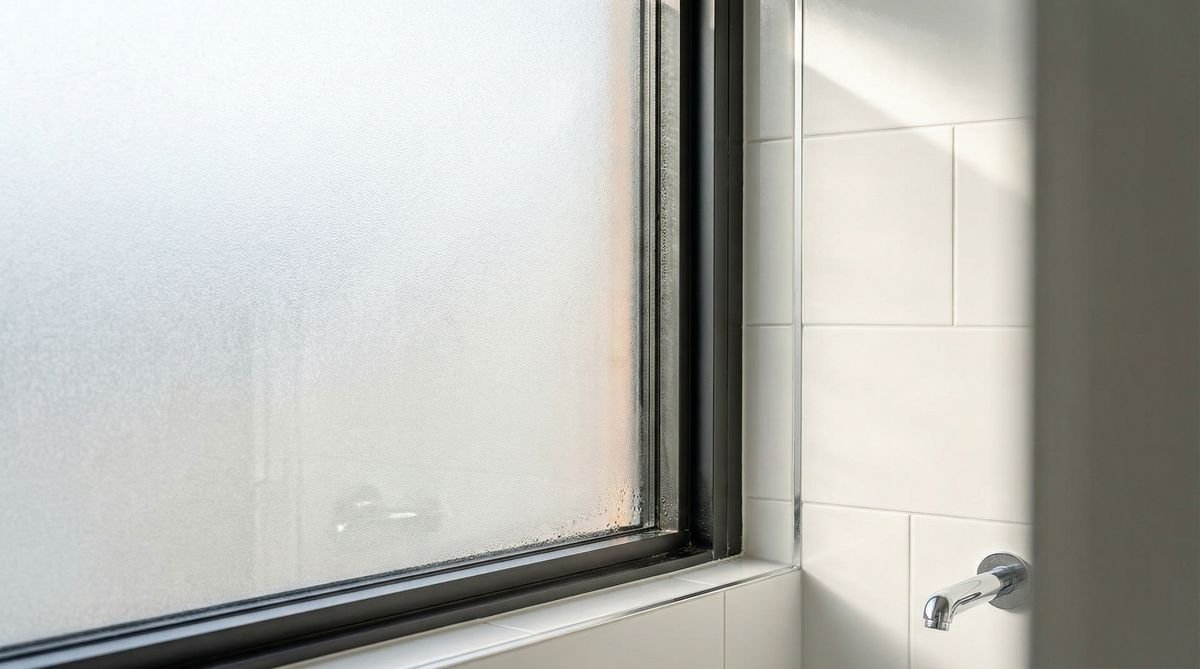
Bathroom treatments need moisture resistance and high privacy, with ventilation. Waterproof blinds, vinyl roller shades, or frosted window films resist humidity and provide privacy. Easy-to-clean, mold-resistant materials like faux wood blinds are crucial. Adjustable slats or retractable shades allow ventilation. Coordinate with bathroom decor.
Living Areas: Style and Subtle Concealment
Living area treatments balance privacy, open feel, and natural light, coordinating with decor. Sheer curtains, light-filtering roller shades, or wood blinds add elegance. Layered curtains offer flexibility. Treatments are decorative elements; style, color, and material should match. Smart systems provide convenience. Coordinate with furniture and soft furnishings.
Maintenance and Lifespan of Privacy Window Treatments
Proper care and maintenance extend the lifespan of window treatments, preserving aesthetics, ensuring functionality, saving costs, and maintaining a healthy home.
Cleaning and Care Tips
Different materials have different cleaning needs. Fabric curtains require regular washing or dry cleaning. Blinds need wiping with a damp cloth. Wood blinds need wood polish. Cellular and roller shades can be vacuumed. Follow manufacturer guidelines. Regular cleaning prevents dust and allergen buildup. For smart curtains, protect motors from moisture. Inspect components regularly.
Common Issues and Troubleshooting
Understand common problems and solutions. Jammed blinds or shades can often be fixed with adjustments or cleaning. Complex issues may need professional help. Manufacturers provide troubleshooting guides. Timely resolution of small problems prevents escalation. Check tracks, cords, and smart system connections. Contact professionals for unresolved issues.
Professional Installation vs. DIY: Factors to Consider
When installing window treatments, choose between DIY or professional help based on skill, time, budget, and desired outcome.
Advantages and Challenges of DIY Installation
DIY saves costs and offers accomplishment. Simple roller shades or window films are good for DIY. Challenges include inaccurate measurements, insecure installation, or errors. Complex blinds need precise measurements. Read instructions, prepare tools, and be realistic about abilities. Consider safety for high or large windows. DIY is time-consuming. Improper installation affects lifespan and warranty.
Value and Services of Professional Installation
Professional installation ensures precise setup and optimal performance, especially for complex products. Installers offer expertise and advice. It saves time and effort, guarantees quality, and extends product life. Many offer after-sales service and warranties. Professionals ensure safety standards, especially for children/pets. They provide debugging and usage guidance. For perfect results and peace of mind, professional installation is smarter.
Frequently Asked Questions About Window Privacy
Here are some common questions about window privacy treatments to help you understand and choose better.
What are the most private window treatment options?
Blackout roller shades, cellular shades, or heavy drapes offer the highest privacy, blocking views and light. Custom wood blinds or plantation shutters also provide high privacy when closed. Darker or opaque fabrics enhance privacy. Layered treatments offer optimal concealment. Smart privacy glass is an ultimate but costly solution.
Can semi-sheer curtains provide enough privacy?
Semi-sheer curtains offer some daytime privacy, but at night, silhouettes may be visible. For complete privacy, pair with blackout curtains. They suit spaces needing light while maintaining some privacy, like kitchens. Thicker semi-sheer fabrics or layering can enhance privacy. Darker or patterned semi-sheers offer better privacy. For night privacy, add blackout curtains.
How do cellular shades perform in terms of privacy and insulation?
Cellular shades offer excellent privacy, insulation, and soundproofing due to their honeycomb structure. They block heat transfer, stabilize indoor temperatures, and reduce energy consumption. Opaque cellular shades effectively block views. Cordless designs enhance safety. They save energy costs and offer UV protection. Double cellular shades provide stronger effects.
How do top-down/bottom-up shades achieve privacy?
Top-down/bottom-up shades adjust from top or bottom, controlling light and view while maintaining privacy. They are ideal for ground-floor rooms, allowing light from above while blocking lower views. This flexibility suits those valuing privacy and natural light, especially in bedrooms or bathrooms. Dual-layer designs offer precise light control. Operation can be manual, motorized, or smart.
What are some affordable privacy window options?
Affordable options include simple roller shades, window films, or DIY curtains. Window film is low-cost, easy to install, and offers frosted or tinted effects. Simple roller shades provide basic privacy and are versatile. DIY curtains from inexpensive fabrics are also economical. These options effectively enhance privacy within a budget. For example, DIY window film or repurposed fabrics are eco-friendly and cost-effective.
Conclusion
Choosing the right window treatments for privacy is a multifaceted decision. By understanding your needs, evaluating options, and balancing aesthetics, function, and budget, you’ll find the ideal solution for a private, comfortable home. Whether for ultimate bedroom privacy or balanced living room light, many options meet personalized needs. Investing in suitable treatments enhances comfort, adds style, and creates a truly private space. This guide aims to assist your selection process, helping you create your ideal home environment.