



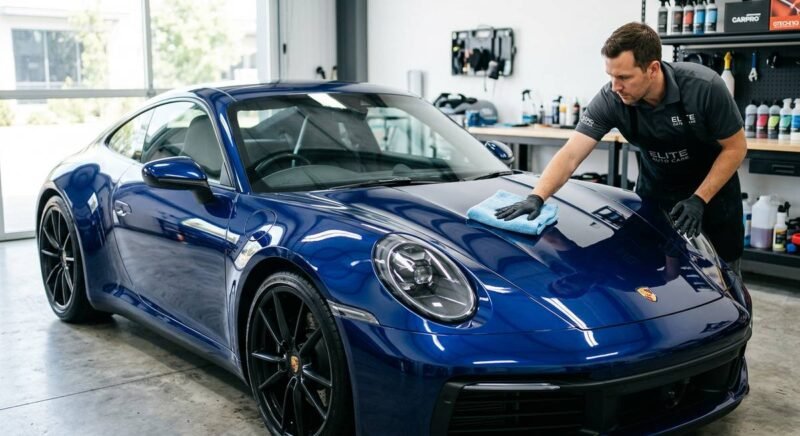
For most car owners, ceramic coating is worth it — but only under the right conditions, and rarely for the reasons the marketing suggests. A professional silicon dioxide (SiO2) coating applied over properly corrected paint can genuinely last three to five years, slash wash frequency, and deliver meaningful hydrophobic protection that wax simply cannot match long-term. A $50 DIY kit slapped over swirl-marked paint cannot.
The price range tells the real story. Ceramic coating spans from budget consumer kits at $50–$150 to professional-grade, multi-layer quartz coating installs at $5,000 or more — and the gap between those tiers is not just marketing. It reflects paint correction prerequisites, installer certification, coating chemistry, and warranty accountability. Most buyers have no idea which tier they actually need, or what they’re comparing.
The honest answer depends on your vehicle, your climate, how you drive, and what your paint looks like right now. What follows is a structured cost-benefit breakdown and a practical decision framework — no hype, no filler — so you can make the call quickly and confidently.
What Ceramic Coating Actually Does (And What It Doesn’t)
Ceramic coating protects against UV oxidation, chemical etching, and water contamination by bonding a silicon dioxide (SiO2) layer to your factory clear coat that lasts two to five years. It does not prevent rock chips, heal scratches, or compensate for skipped paint correction.
The chemistry is straightforward. SiO2 in liquid form penetrates the clear coat’s porous surface and cures into a rigid, glass-like matrix that becomes part of the finish rather than a film sitting on top. That bond is what separates ceramic coating from every wax and sealant on the market — and what makes surface preparation before application non-negotiable.
How SiO2 Bonds to Your Clear Coat
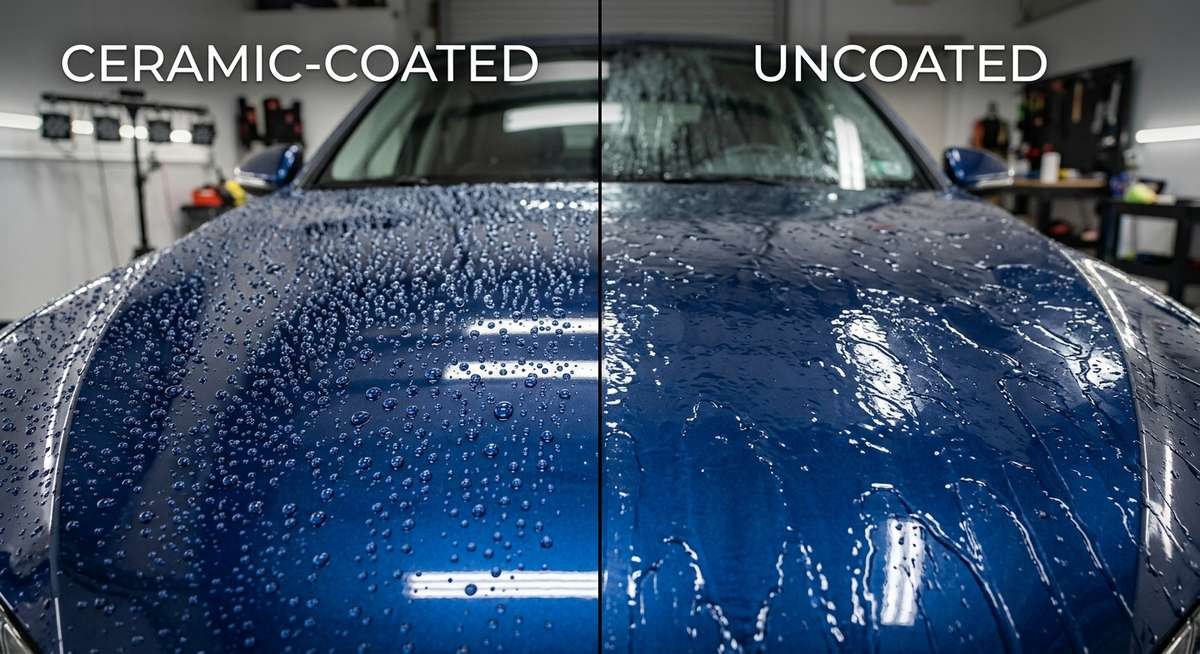
Standard car wax sits on top of your paint like a thin film of furniture polish — it buffs on, it wears off, and rain strips most of it within weeks. Ceramic coating works differently. The silicon dioxide (SiO2) molecules in the liquid formula penetrate the microscopic pores of your clear coat and cure into a rigid, glass-like matrix that becomes part of the surface rather than a layer resting on it.
The result is a semi-permanent bond that typically requires chemical or mechanical abrasion to remove — it won’t wash off in a rainstorm. Professional-grade quartz coatings can achieve a hardness rating of 9H on the pencil hardness scale, which is harder than most factory clear coats. That hardness is what gives ceramic coating its durability advantage over every wax or polymer sealant on the market.
What Ceramic Coating Protects Against
The hydrophobic protection is the most visible benefit — water beads into tight spheres and rolls off the surface, pulling loose dirt with it. In practice, this means a coated car stays cleaner between washes and requires significantly less scrubbing when you do wash it. Wash frequency for many owners drops from weekly to every two to four weeks.
UV oxidation resistance is the less glamorous but arguably more valuable benefit, particularly in high-sun climates. Unprotected clear coat degrades under prolonged UV exposure, leading to the chalky, faded finish common on older vehicles. Ceramic coating acts as a sacrificial UV barrier, slowing that oxidation process considerably over a multi-year ownership window.
Chemical resistance is real, but it has a threshold. A bird dropping left on bare clear coat can etch the surface in as little as 30 minutes on a hot day — the uric acid literally eats into the lacquer. On a properly coated surface, that same dropping sits on the glass-like SiO2 layer rather than contacting the clear coat directly, buying you meaningful time to wipe it away without permanent damage. Light acid rain and industrial fallout behave similarly.
| Threat | Ceramic Coating Performance | Notes |
|---|---|---|
| UV oxidation | Strong protection | Slows clear coat degradation significantly |
| Water & road grime | Strong protection | Hydrophobic layer repels and self-cleans |
| Bird droppings / acid rain | Moderate protection | Buys time; still requires prompt removal |
| Rock chips | No protection | Requires Paint Protection Film (PPF) |
| Deep scratches | No protection | Coating is hard, not impact-absorbent |
| Existing swirl marks | None — seals them in | Paint correction required before coating |
The Honest Limitations
The single most persistent myth about ceramic coating is that it’s a set-it-and-forget-it solution. It isn’t. A coated car still needs regular washing, still accumulates water spots in hard-water areas, and still requires annual decontamination to remove bonded iron particles and organic fallout that the hydrophobic layer can’t shed on its own.
Ceramic coating also cannot fix what’s already wrong with your paint. Swirl marks, fine scratches, and oxidation are sealed permanently under the coating if paint correction isn’t performed first. A professional installer should assess paint condition under proper lighting before any coating discussion — any shop that skips that step is selling you a glossy layer over damaged paint, which is exactly as useful as it sounds.
Rock chips and deep scratches are simply outside ceramic coating’s capability. The SiO2 layer is hard but thin — typically two to five microns — and offers no meaningful resistance to physical impact. For that kind of protection, Paint Protection Film is the correct product. A cheap DIY kit applied over contaminated or uncorrected paint compounds all of these problems, which is why application quality and surface preparation determine whether a ceramic coating performs like a premium product or an expensive disappointment.
Ceramic Coating Cost Breakdown: DIY vs. Professional
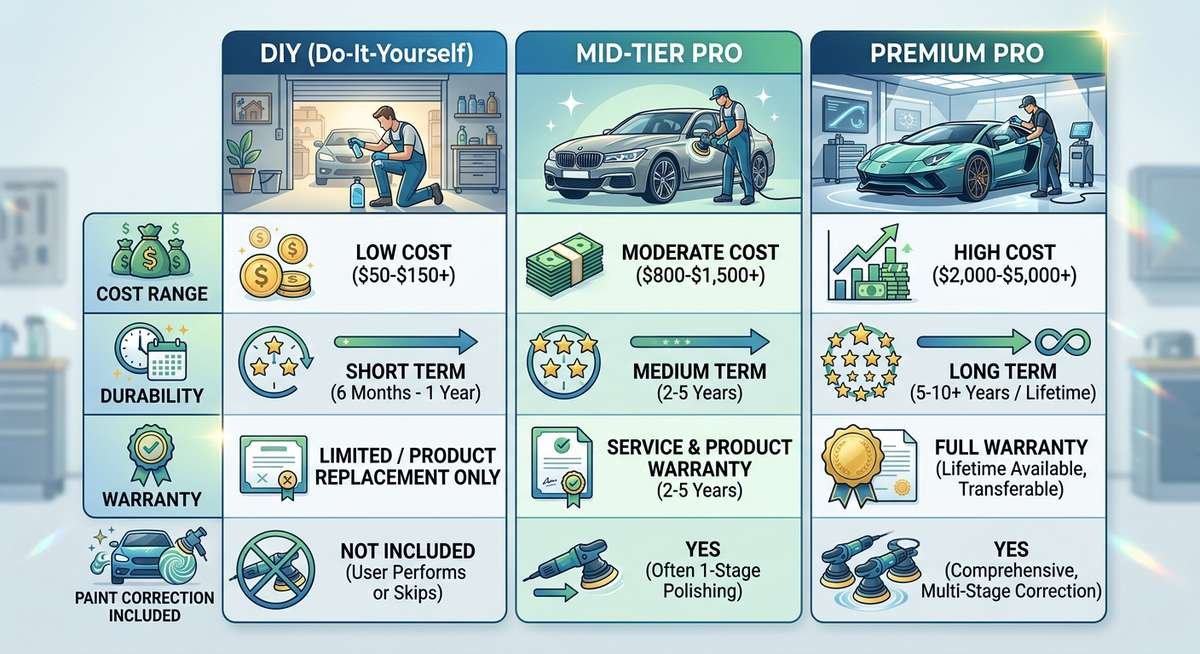
Ceramic coating costs $50 to $150 for a DIY kit, $500 to $1,500 for a professional consumer-grade install, and $1,500 to $5,000+ for a premium multi-layer application with full paint correction. The price gap reflects fundamentally different products, prep standards, and warranty accountability — not just labor hours.
DIY Ceramic Coating Kits ($50–$150)
Consumer kits like Turtle Wax Hybrid Ceramic and Chemical Guys HydroCharge put silicon dioxide (SiO2) protection within reach of any careful detailer. The chemistry is real — these products do bond to the clear coat and deliver measurable hydrophobic protection. But the gap between what the label promises and what a first-time applicator actually achieves is significant.
Manufacturer claims of 3–5 years of protection are optimistic under real-world conditions. Realistic durability for a DIY application on a daily driver sits closer to 12–24 months, and that assumes the surface was properly decontaminated and polished before application. Apply over contaminated or swirled paint and the coating seals in those defects permanently — no amount of washing will fix it afterward.
The most common failure points are high spots (streaky, hazy patches caused by uneven application or buffing too late) and uneven bonding across panel edges and curves. Both are difficult to correct without machine polishing, which erases the coating entirely and forces a restart. DIY ceramic coating rewards patience and preparation; it punishes shortcuts harshly.
Professional Consumer-Grade Installs ($500–$1,500)
This is the most common tier for daily drivers and new-car owners, and it represents the sweet spot where professional prep makes a measurable difference over DIY. A reputable shop at this price point will include multi-stage paint decontamination (iron remover, clay bar), a possible one-step machine polish to address light swirls, and single- or dual-layer coating application from a professional-grade product line.
Warranties at this tier typically run one to three years, backed by the installing shop rather than the coating manufacturer. Pricing varies by vehicle size — a compact sedan sits at the lower end of the range, while a full-size SUV or truck pushes toward $1,500. Regional labor rates also shift the number considerably; the same service costs more in San Francisco than in Phoenix.
Paint correction at this tier is usually limited to a single-stage polish. Deep scratches, heavy swirl marks, and oxidation are not fully addressed — if your paint needs serious correction, the cost climbs into the next tier or requires a separate service.
Professional-Grade / Multi-Layer Installs ($1,500–$5,000+)
The premium tier justifies its price through two things: the coating product itself and the preparation work that precedes it. Multi-stage paint correction — typically two or three machine polishing stages to remove swirl marks, scratches, and oxidation — can represent 60–70% of the total labor time before a single drop of coating is applied. Skipping this step on a vehicle with compromised paint is the single biggest mistake buyers make at any price point.
Professional-grade coatings in this category include products like Gtechniq Crystal Serum Ultra and CARPRO Cquartz Finest Reserve — silicon dioxide and quartz coating formulations that are not available to consumers through retail channels. These are restricted to certified installers specifically because application technique and surface preparation requirements are demanding enough that open retail distribution would produce widespread failures.
Warranties at this tier run five to ten years and are often backed by the coating manufacturer directly, not just the shop. Certified installer accountability — through programs like Gtechniq Approved Detailer or CARPRO Certified — means the warranty has teeth. This tier is the standard for enthusiast vehicles, exotics, and any car where paint condition is a genuine priority.
Hidden Costs to Factor In
The sticker price on any ceramic coating package is rarely the total cost of ownership. Paint correction, if needed and quoted separately, adds $300–$800 depending on paint condition and vehicle size. That cost is unavoidable if the paint has visible swirls or oxidation — coating over damaged paint is worse than not coating at all.
| Cost Item | Estimated Cost | Frequency |
|---|---|---|
| Paint correction (if needed) | $300–$800 | One-time, pre-coating |
| pH-neutral maintenance shampoo | $15–$40 per bottle | Ongoing (every wash) |
| SiO2 top-coat booster spray | $20–$60 per bottle | Every 6–12 months |
| Annual decontamination wash (iron remover + clay) | $80–$200 (professional) or $30–$60 (DIY) | Annually |
| Recoating after coating lifespan ends | $400–$2,500+ | Every 3–7 years |
Ongoing maintenance is non-negotiable. Using all-in-one wash-and-wax products or taking the car through an automatic brush wash deposits hydrophobic residue that interferes with the coating’s performance — and in the case of brush washes, introduces the swirl marks the coating was meant to protect against. A $1,500 professional coat maintained correctly for five years is a very different investment than the same coat neglected after year one.
Recoating is the cost most buyers don’t anticipate. Professional-grade coatings don’t simply stop working one day — they degrade gradually, losing hydrophobic performance and gloss depth over three to seven years depending on environment and maintenance. Budgeting for a recoat at the end of that window is part of an honest total cost calculation.
Ceramic Coating vs. Wax vs. Paint Sealant vs. PPF
Ceramic coating outlasts wax by years and outperforms sealant on hydrophobic protection and UV resistance, but Paint Protection Film (PPF) is the only option that physically stops rock chips and deep scratches. Each product occupies a distinct tier in the paint protection hierarchy, and combining them strategically delivers the best total coverage.
Carnauba Wax
Carnauba wax is derived from the leaves of the Brazilian carnauba palm, and it produces a warm, deep gloss that synthetic products have never fully replicated. Application is straightforward — wipe on, buff off — and no surface prep beyond a clean car is required. The tradeoff is durability: carnauba wax lasts roughly 1–3 months before UV exposure and wash cycles break it down, and it forms no chemical bond with the clear coat whatsoever.
For show-car owners who wax every few weeks as part of a ritual, that limitation is irrelevant. For anyone else, it’s a significant recurring time commitment with no long-term payoff.
Synthetic Paint Sealant
Polymer-based paint sealants bond slightly more aggressively to the clear coat than wax, extending protection to roughly 6–12 months per application. They’re easier to apply consistently, more resistant to detergents, and typically cost $20–$60 for a consumer-grade product. The hydrophobic protection is real but noticeably weaker than a silicon dioxide (SiO2) ceramic coating — water beads, but the self-cleaning effect is far less pronounced.
For budget-conscious daily drivers who want a meaningful step up from wax without committing to a professional ceramic install, a quality sealant is a rational middle ground.
Ceramic Coating
A professional-grade ceramic coating — the type built on silicon dioxide (SiO2) or quartz chemistry — chemically bonds to the factory clear coat and cures into a semi-permanent layer that lasts 2–5+ years depending on product tier and maintenance. The hydrophobic protection is in a different category from wax or sealant: water sheets off rather than beads, contaminants struggle to bond, and UV oxidation resistance is measurably stronger over multi-year ownership.
The prerequisites are steeper, though. Proper paint correction before application is non-negotiable on any paint with existing swirls or marring — coating over defects seals them in permanently. Upfront costs run $500–$5,000 depending on tier. The reduced wash frequency and long-term paint preservation are where the ROI case gets built.
Paint Protection Film (PPF)
PPF is a thick thermoplastic urethane film — typically 6–8 mils — that physically absorbs road debris, rock chips, and deep scratches before they can reach the paint. That’s a physical impact barrier ceramic coating simply cannot provide. Premium PPF products from brands like XPEL and SunTek include self-healing topcoats that allow light scratches to disappear with heat exposure. Full-vehicle PPF installation runs $2,000–$7,000+ depending on vehicle size and film grade.
For high-value vehicles driven regularly on highways or gravel-heavy roads, PPF delivers protection that no liquid coating can match. The cost is higher, but so is the ceiling.
Ceramic Coating Over PPF
The gold standard among exotic and luxury vehicle owners is applying PPF first, then ceramic coating over the film. PPF handles physical impact; the ceramic layer adds hydrophobic protection, UV resistance, and makes the PPF surface dramatically easier to clean and maintain. This combination costs $4,000–$10,000+ for a full vehicle, which is why it’s typically reserved for vehicles where the paint itself represents significant financial or sentimental value.
The practical benefit beyond protection is real: ceramic-coated PPF resists yellowing and contamination bonding better than uncoated film, extending the useful life of the PPF installation itself.
| Protection Type | Durability | Rock Chip Protection | Hydrophobic Protection | Typical Cost | DIY Feasible? |
|---|---|---|---|---|---|
| Carnauba Wax | 1–3 months | None | Moderate | $15–$50 | Yes |
| Synthetic Paint Sealant | 6–12 months | None | Moderate–Good | $20–$60 | Yes |
| Ceramic Coating (DIY) | 1–2 years | None | Excellent | $50–$150 | Skill required |
| Ceramic Coating (Pro) | 2–5+ years | None | Excellent | $500–$5,000+ | Not recommended |
| PPF Only | 5–10 years | Excellent | Good | $2,000–$7,000+ | No |
| Ceramic Coating Over PPF | 5–10 years | Excellent | Excellent | $4,000–$10,000+ | No |
No single option is universally correct. A weekend show car with garage storage and careful owners has almost no need for PPF. A black daily driver in Arizona facing constant UV bombardment and highway gravel gets a compelling ROI from either a professional ceramic install or a ceramic-over-PPF combination on high-impact zones. The protection landscape is wide — the decision should be just as specific.
Is Ceramic Coating Worth It For Your Situation?
Ceramic coating is worth it for daily drivers in high-UV or road-salt climates who plan to keep the vehicle at least three years, and for enthusiast cars where paint preservation justifies a premium install. Garaged weekend cars in mild climates and short-term leases get weaker ROI. Four variables determine the answer: vehicle use, paint condition, climate, and ownership timeline.
Daily Driver Commuters
For the average commuter putting 12,000–15,000 miles per year on a vehicle, ceramic coating’s strongest argument is cumulative time and money savings. A mid-tier professional install running $800–$1,200 typically replaces what most owners spend on wax applications, detail spray, and professional washes — costs that realistically add up to $600–$900 annually over a three-year ownership window.
The hydrophobic protection alone changes the maintenance math. Coated paint sheds road grime, brake dust, and light contamination significantly better than bare clear coat, which means wash intervals stretch from weekly to every two to three weeks without the paint looking neglected. Over three years, that’s a legitimate break-even — and the paint exits that window in better condition than it entered.
Verdict: a professional consumer-grade silicon dioxide (SiO2) coating is worth it for daily drivers who dislike frequent washing and plan to keep the vehicle at least three years. Owners who lease on 24-month cycles or flip cars regularly will not recoup the investment.
Weekend Cars and Enthusiast Vehicles
Enthusiasts already wax and detail regularly, so the ROI framing shifts. The value here isn’t replacing maintenance — it’s adding a durable protective baseline between wax sessions that wax alone cannot provide. A quartz coating on a weekend car means UV oxidation and chemical etching aren’t quietly degrading the paint during the weeks it sits in a garage between drives.
Premium multi-layer installs in the $1,500–$3,000 range make strong sense for this group. Many enthusiasts pair the strategy: paint protection film (PPF) on the highest-impact zones — hood, front bumper, mirror caps — and a full-vehicle ceramic coating over everything else, including over the PPF itself to simplify maintenance and extend the film’s surface life.
New vs. Used / Older Paint
Ceramic coating on new paint is almost always worth it. Factory clear coat is at peak condition, and locking that in with a professional SiO2 coating prevents the gradual UV oxidation and micro-marring that begins the moment a vehicle leaves the lot. The prerequisite paint correction is minimal, which keeps total costs down.
Used paint is a different calculation entirely. Coating over existing swirl marks, scratches, or oxidation doesn’t hide them — it preserves them permanently under a semi-permanent layer. Paint correction is mandatory before coating, adding $300–$800 to the total cost depending on paint condition severity. On heavily oxidized panels or repainted sections with inconsistent clear coat depth, the ROI weakens considerably and a professional paint depth assessment is essential before committing.
Climate and Environment
Geography is one of the most underweighted factors in the ceramic coating decision. The table below maps climate conditions to coating value — something most installers won’t walk you through unprompted.
| Climate / Environment | Primary Threat | Coating ROI | Key Benefit |
|---|---|---|---|
| High UV (Arizona, Florida, Texas) | UV oxidation, paint fade | Very High | UV resistance extends clear coat life significantly |
| Road salt (Midwest, Northeast winters) | Chemical corrosion, undercarriage damage | High | Chemical resistance slows salt bonding to painted surfaces |
| Urban / industrial fallout | Iron particles, tree sap, acid rain | High | Hydrophobic surface sheds contaminants before they etch |
| Mild climate, garaged vehicle | Minimal environmental exposure | Moderate | Reduced urgency; a quality sealant may suffice |
Drivers in Phoenix or Miami see the strongest return because UV degradation is relentless and expensive to reverse once oxidation sets in. In contrast, a garaged vehicle in a temperate Pacific Northwest climate faces far less environmental aggression — a synthetic paint sealant refreshed annually may deliver 80% of the protection at 20% of the cost. Climate isn’t a reason to skip ceramic coating; it’s a reason to calibrate how much you spend on it.
How to Choose a Reputable Ceramic Coating Installer
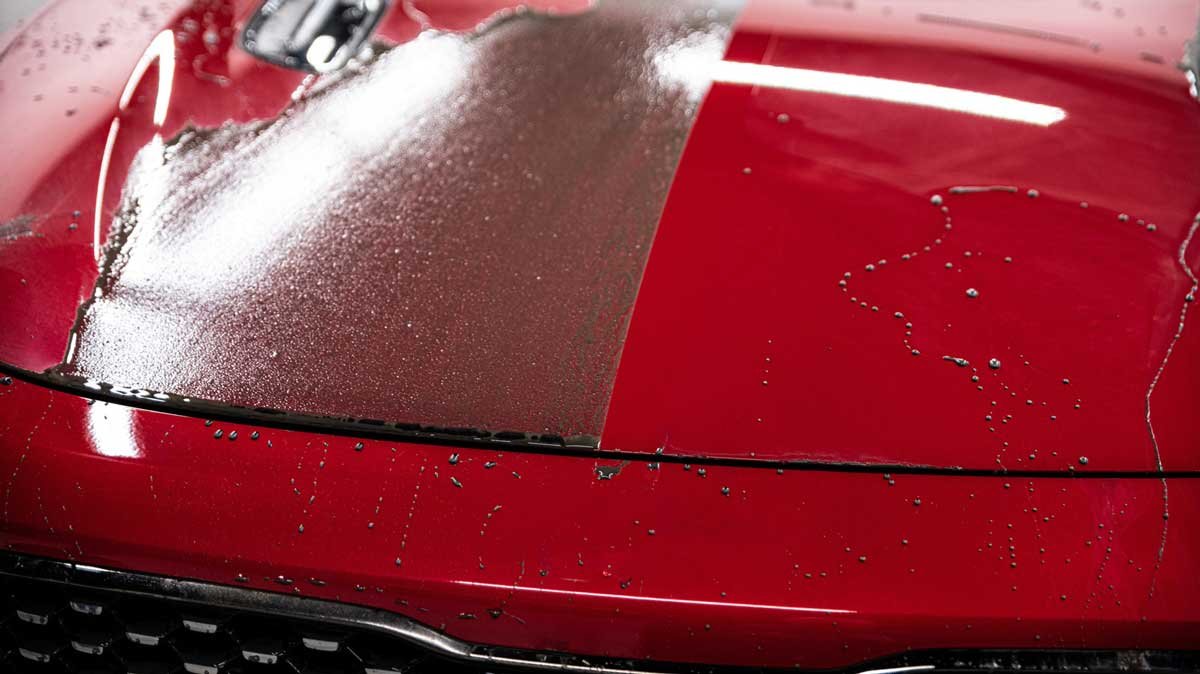
A reputable ceramic coating installer must carry verified brand certification (Gtechniq Approved, CARPRO Certified, or Ceramic Pro Authorized), perform a documented paint inspection before quoting, and provide a written manufacturer-backed warranty. Missing any one of these signals an installer who cuts corners on the work that determines whether your coating lasts five years or five months.
Certifications and Brand Authorization
Reputable coating brands run formal installer programs — Gtechniq Approved Detailer, CARPRO Certified, and Ceramic Pro Authorized Installer are the most recognized in the professional detailing industry. These programs require hands-on training, application testing, and ongoing accountability to the brand. Only certified installers can register a job with the manufacturer and issue a warranty backed by that manufacturer rather than just a handshake promise from the shop.
Certification also signals that the installer is using authentic professional-grade silicon dioxide (SiO2) formulations — not a consumer kit rebottled with a premium price tag. Ask directly: “Are you a certified installer for the specific product you’re applying?” A legitimate shop answers that question in under five seconds.
Paint Correction as a Prerequisite
Any installer who quotes ceramic coating without first inspecting paint condition is skipping the most critical step in the entire process. A proper assessment involves a paint depth gauge to check clear coat thickness and inspection under a high-intensity detailing light to identify swirl marks, oxidation, and scratches. Ceramic coating bonds to whatever surface it touches — defects included.
Skipping paint correction is the single most common reason coatings underperform. Hydrophobic protection still works on a swirl-covered surface, but every flaw gets locked in permanently under a semi-hard SiO2 layer. Legitimate installers price paint correction as a separate line item, typically $300–$800 depending on paint condition and vehicle size, before the coating conversation even begins.
Warranty Terms to Scrutinize
Not all warranties are equal. Before signing anything, ask three specific questions: What does the warranty actually cover — delamination, water spot etching, or full coating failure? What voids it — automatic car washes, non-pH-neutral soaps, skipped maintenance? And critically: is the warranty registered with the coating manufacturer, or is it just the shop’s verbal commitment?
A 5-year warranty from an uncertified shop with no manufacturer registration is functionally worthless if the business closes or the installer disputes the claim. A 2-year manufacturer-backed warranty from a Gtechniq Approved or CARPRO Certified installer carries real accountability behind it.
| What to Ask | Green Flag | Red Flag |
|---|---|---|
| Certification status | Named brand certification (Gtechniq, CARPRO, Ceramic Pro) | “We’re trained” with no verifiable program |
| Paint assessment process | Paint depth gauge + lighting inspection quoted separately | Coating quoted with no mention of paint prep |
| Coating product identity | Specific product name and SiO2 concentration disclosed | “Our proprietary formula” with no product name |
| Warranty documentation | Written, manufacturer-registered warranty provided | Verbal warranty only or generic shop guarantee |
| Portfolio of work | Before/after photos with paint correction stages shown | No portfolio or only finished glamour shots |
Red Flags to Avoid
Unusually low pricing — say, a full ceramic coating for $199 with no mention of decontamination or paint correction — almost always means one of two things: a consumer-grade kit applied without proper prep, or a bait-and-switch upsell once the car is in the bay. Either outcome wastes money.
Other concrete warning signs: the installer cannot name the specific coating product being applied, there is pressure to commit same-day with a limited-time discount, or there is no written warranty documentation provided before work begins. A shop confident in its process welcomes questions. One cutting corners avoids them.
Frequently Asked Questions
Is ceramic coating worth it for a daily driver?
For most daily drivers, a mid-tier professional ceramic coating ($500–$1,500) pays for itself within two to three years by reducing wash frequency, eliminating annual wax costs, and providing consistent hydrophobic protection against road grime, UV oxidation, and light chemical damage. The break-even math works in your favor if you currently spend $200–$300 per year on detailing products and professional washes.
The strongest case is for commuters in high-UV states like Arizona, Florida, or Texas, where unprotected clear coat can oxidize visibly within three to four years. Road-salt climates in the Midwest and Northeast also benefit significantly — the chemical resistance of a silicon dioxide (SiO2) coating reduces the rate at which salt and industrial fallout bond to the paint surface.
How long does ceramic coating last on a car?
Durability depends almost entirely on the tier of product applied and how well the coating is maintained afterward. DIY consumer kits realistically last 1–2 years despite manufacturer claims of longer. Professional consumer-grade installs typically hold for 2–4 years. Professional-grade multi-layer coatings using products like Gtechniq Crystal Serum Ultra or CARPRO Cquartz Finest Reserve, applied by a certified installer, can last 5–9 years with proper annual maintenance.
Skipping the annual decontamination wash and SiO2 top-coat booster is the most common reason coatings fail early. A $1,500 professional coating maintained with automatic car washes and non-pH-neutral soap can degrade to the performance level of a basic sealant within 18 months.
What are the disadvantages of ceramic coating?
Ceramic coating does not prevent rock chips, deep scratches, or swirl marks — that distinction belongs to Paint Protection Film (PPF). Any paint defects present before application, including swirl marks and oxidation, must be removed through paint correction first; coating over damaged paint permanently seals in those defects. Paint correction can add $300–$800 to the total project cost.
The “set it and forget it” marketing is also misleading. Coated vehicles still require regular washing with pH-neutral shampoo, a decontamination wash every 6–12 months, and periodic top-coat booster applications. Automatic car washes with abrasive brushes will introduce swirl marks into even the most durable quartz coating.
Is it better to ceramic coat or wax your car?
Carnauba wax lasts 1–3 months and requires no surface prep beyond a clean car, making it the right choice for enthusiasts who enjoy the ritual and want maximum gloss depth on a show vehicle. Ceramic coating chemically bonds to the clear coat, lasts years rather than months, and delivers superior hydrophobic protection and UV resistance — but it demands proper paint preparation and a higher upfront investment.
For anyone who dislikes frequent detailing, a professional ceramic coating is the more practical long-term solution. For a garage-kept weekend car in a mild climate that gets waxed every two months anyway, the ROI on a premium coating install is genuinely lower.
| Protection Type | Durability | Typical Cost | Rock Chip Protection | Hydrophobic Protection |
|---|---|---|---|---|
| Carnauba Wax | 1–3 months | $15–$60 DIY | None | Moderate |
| Synthetic Sealant | 6–12 months | $20–$80 DIY | None | Moderate–Good |
| DIY Ceramic Kit | 1–2 years | $50–$150 | None | Good |
| Professional Ceramic | 2–9 years | $500–$5,000+ | None | Excellent |
| PPF Only | 5–10 years | $2,000–$7,000+ | Excellent | Moderate |
| PPF + Ceramic | 5–10 years | $4,000–$10,000+ | Excellent | Excellent |
Does ceramic coating require paint correction first?
Any installer who skips a paint condition assessment before quoting a ceramic coating job is a red flag. Paint correction — the process of removing swirl marks, light scratches, and oxidation through machine polishing — is a prerequisite for professional-grade installs because the SiO2 layer will lock in whatever defects exist underneath it permanently. Budget $300–$800 for a multi-stage correction if the paint has visible defects under direct lighting.
New vehicles with factory-fresh paint in good condition may need only a light decontamination wash and clay bar treatment before coating. Used vehicles, or any car that has spent time in an automatic car wash, almost always require at least a one-step polish before a coating is worth applying.
Conclusion
Ceramic coating is worth it when three conditions align: the vehicle’s paint is properly prepared (including paint correction if needed), the installer is certified and transparent about the process, and the owner’s expectations match what silicon dioxide (SiO2) chemistry can actually deliver. Miss any one of those conditions, and a $1,500 investment can underperform a $30 wax job.
The decision isn’t universal — it’s situational, much like deciding whether a heat pump is worth the upfront investment. A daily driver in Phoenix baking under intense UV exposure has a stronger ROI case than a garage-kept weekend car in Seattle. New paint benefits immediately from hydrophobic protection and UV resistance; oxidized paint needs correction first, which changes the cost math entirely.
| Your Situation | Recommended Path | Estimated Cost |
|---|---|---|
| Budget-conscious, hands-on owner | DIY SiO2 kit on freshly decontaminated paint | $50–$150 |
| Daily driver, low maintenance priority | Mid-tier professional install with paint decontamination | $500–$1,500 |
| Enthusiast, high-value, or new vehicle | Certified installer, full paint correction, multi-layer coating | $1,500–$5,000+ |
| Highway driver, rock chip concern | PPF on high-impact zones + ceramic coating over full vehicle | $4,000–$10,000+ |
Done right, ceramic coating reduces wash frequency, resists chemical etching, and preserves paint clarity for years. Done wrong, it locks in defects permanently. Choose the tier that fits your vehicle, your climate, and your budget — then hold the installer to a standard that justifies every dollar.