


The concept of the accent wall has undergone a dramatic transformation, moving far beyond a simple coat of contrasting paint. In 2026, interior design is defined by “tactile minimalism,” a movement that prioritizes rich textures and organic materials to create a sense of grounded luxury. As living rooms increasingly serve as multi-functional hubs for relaxation, social interaction, and professional work, the accent wall acts as the primary visual anchor that defines the room’s character. This guide explores the most innovative materials, colors, and placement strategies to help you transform your space into a sophisticated sanctuary.
Selecting the Perfect Focal Point for Your Living Room
To choose the best accent wall in a living room, identify the natural focal point—typically the wall behind the sofa, a fireplace, or a large media console. Selecting a wall that the eye naturally gravitates toward upon entry ensures the design feels intentional rather than distracting or disjointed. According to Architectural Digest (2026), designers emphasize that an accent wall should be treated like a piece of art, elevating the ambiance rather than competing with existing architectural features.
The most traditional yet effective placement is the wall directly behind the primary seating area. This creates a cohesive backdrop that frames the sofa and anchors the entire seating arrangement. For homes with a fireplace, the chimney breast or the surrounding wall is the intuitive choice for an accent. By applying a unique texture or bold color here, you reinforce the room’s historical or structural centerpiece. In smaller living rooms, consider using mirrored panels or light-reflective metallic finishes to create the illusion of expanded space while maintaining a distinct focal point.
Trending 2026 Colors and Textures for Living Room Walls
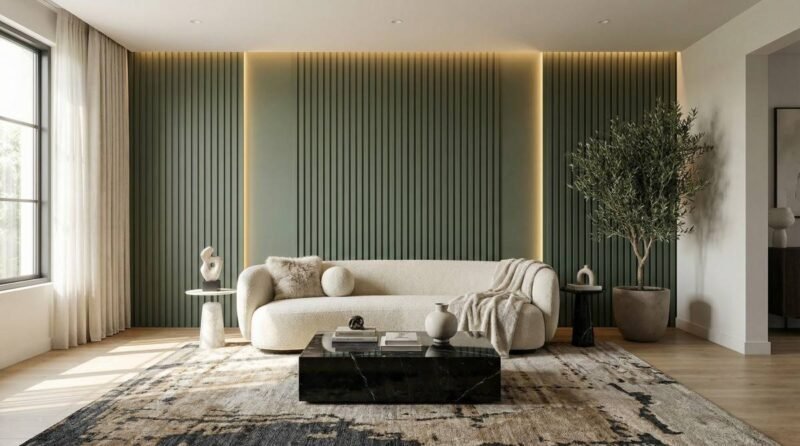
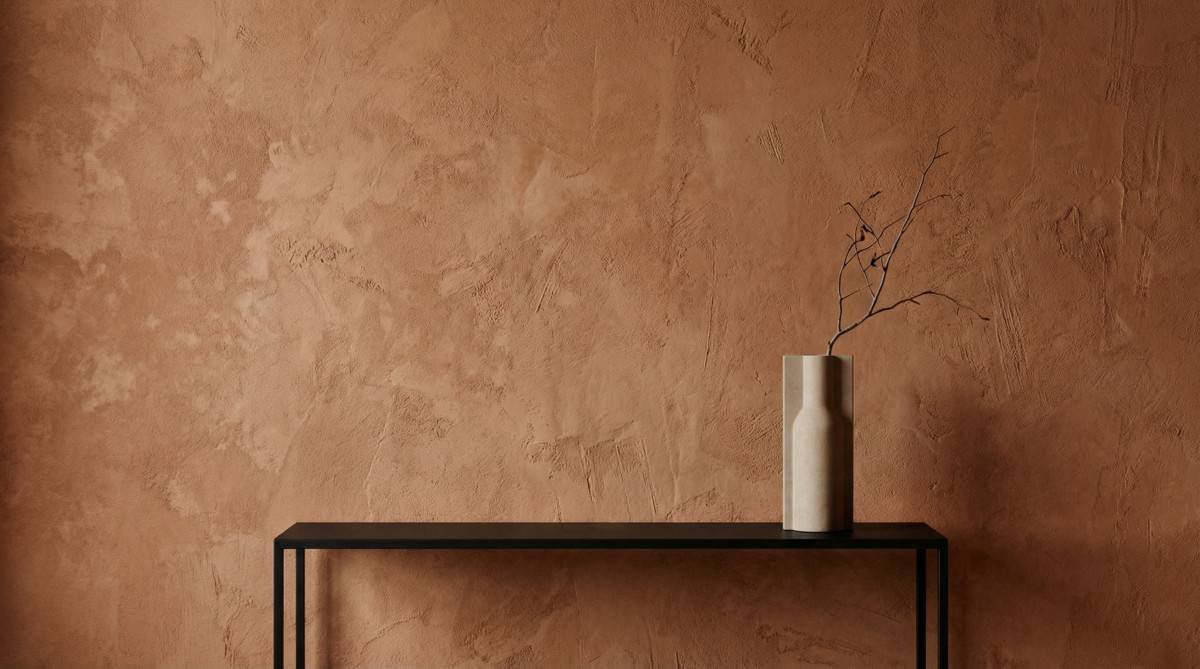
Trending accent wall colors for 2026 prioritize organic, earthy tones like moss green, terracotta, and “Future Dusk”—a deep, saturated blue-purple. These are increasingly paired with high-tactility textures such as limewash, fluted wood panels, and 3D plaster finishes to create a sophisticated, multi-dimensional aesthetic that traditional flat paint cannot achieve. According to Benjamin Moore (2026), the most successful accent walls use colors that are several shades darker than the surrounding walls to provide necessary visual depth and contrast.
| Trend Category | Popular 2026 Choices | Visual Effect |
|---|---|---|
| Moody Earth Tones | Moss Green, Rust, Ochre | Grounded, cozy, and organic |
| Old-World Texture | Limewash, Venetian Plaster | Soft, matte, and artisanal |
| Modern Tech | Smart-Lit Fluted Panels | Architectural, futuristic, and dynamic |
| Saturated Darks | Future Dusk, Charcoal, Navy | Dramatic, intimate, and luxurious |
Limewash and plaster finishes are experiencing a significant resurgence due to their ability to add movement and “soul” to a room. Unlike standard latex paint, limewash has a mottled, suede-like appearance that catches natural light in varying ways throughout the day. For those seeking a more architectural edge, fluted wood panels with integrated LED strip lighting offer a “smart-lit” solution. This combination allows homeowners to adjust the room’s mood through mobile applications, blending cutting-edge technology with timeless woodworking.
Innovative Materials: Beyond Traditional Paint
Innovative accent wall materials for 2026 include sustainable cork tiles, recycled aluminum panels, and acoustic felt slats. These materials offer functional benefits like sound dampening and thermal insulation while providing a unique visual contrast that distinguishes modern living spaces from conventional, one-dimensional room designs. According to Toll Brothers (2026), homeowners are increasingly looking for non-traditional materials like aluminum or 3D panels to add an industrial yet refined touch to their interiors.
Biophilic design continues to evolve with the introduction of “living walls” or preserved moss panels that require zero maintenance. These installations bring a literal piece of nature into the living room, improving air quality and providing a lush, green focal point. For a more subtle industrial look, metallic inlays—such as brass or copper strips embedded within wood or stone—add a touch of glamour without overwhelming the space. Acoustic felt slats are also gaining popularity, particularly in open-plan homes where noise reduction is a priority. These slats provide the warmth of wood while significantly improving the room’s sound quality. According to the U.S. Environmental Protection Agency (EPA), incorporating sustainable materials can also contribute to better indoor air quality.
Multi-Functional Accent Walls for Modern Lifestyles
Multi-functional accent walls integrate utility into design by incorporating hidden storage, fold-down workstations, or integrated shelving systems. This approach is particularly effective in open-plan living rooms where the accent wall serves both as a visual anchor and a practical solution for organizing hybrid living and working environments. The shift toward multi-functionality reflects a broader trend in 2026 where every square inch of the home is optimized for both form and function.
For minimalists, “clutter-core” prevention is achieved through seamless, push-to-open cabinetry that blends perfectly with the accent wall’s color and texture. This allows for the storage of media equipment, books, and household items while maintaining a clean, uninterrupted surface. In homes where a dedicated office is not possible, the accent wall can incorporate a “hybrid hub”—a discreet, integrated desk nook that can be closed off when not in use. This ensures that the living room remains a place of relaxation in the evenings, free from the visual reminders of the workday.
FAQ: Common Questions About Living Room Accent Walls
What wall should be the accent wall in a living room?
The accent wall should be the natural focal point of the room, such as the wall behind the sofa or the one containing a fireplace. It is typically the first wall you see when entering the space.
Are accent walls out of style for 2026?
No, accent walls are not out of style, but they have evolved. The 2026 trend focuses on texture, sustainable materials, and integrated lighting rather than just a different paint color.
Should an accent wall be darker or lighter than the other walls?
Generally, an accent wall should be darker or more saturated than the surrounding walls to create depth. However, in very dark rooms, a lighter, textured accent wall can provide a refreshing contrast.
Can you have two accent walls in one living room?
While it is possible, it is usually recommended to stick to one primary accent wall per room to avoid a fragmented or overwhelming appearance. If you choose two, they should be on adjacent walls and share a common design element.
How do I pick an accent wall color for a small living room?
For small rooms, consider soft, cool tones like sage green or pale blue, or use textures like light-colored wood slats. These choices add interest without making the room feel smaller or more enclosed.
What is the best material for a DIY accent wall project?
Peel-and-stick wood planks, removable wallpaper, and simple paint-and-trim moulding are the best options for DIY enthusiasts. These materials are relatively easy to install and can be updated as trends change.
Conclusion
The most successful accent wall living room ideas for 2026 are those that balance visual impact with functional purpose. Whether you choose the artisanal warmth of a terracotta limewash or the sleek sophistication of a smart-lit fluted panel, the key is to design with intentionality. By focusing on high-quality materials and thoughtful placement, you can create a focal point that not only enhances your home’s aesthetic but also improves your daily living experience.