


Choosing the right paint for refinishing cabinets is the most critical decision in any kitchen or bathroom renovation project. Unlike standard interior wall paint, cabinet coatings must endure constant contact, grease, and frequent cleaning without chipping or peeling. Homeowners often find themselves overwhelmed by the vast array of enamels, alkyds, and acrylics available at local hardware stores. This guide provides a detailed analysis of the top-performing cabinet paints in 2026, ensuring your DIY project results in a durable, factory-smooth finish that stands the test of time.
Choosing the Right Paint for Refinishing Cabinets: The Science of Durability
Selecting the right paint for refinishing cabinets requires understanding the balance between durability and ease of application. Modern waterborne alkyd enamels are the gold standard, offering the hard, smooth finish of traditional oil-based paints with the low VOCs and simple water cleanup of latex formulas for a factory-smooth result. These hybrid coatings have revolutionized the DIY market by providing professional-grade results without the hazardous fumes or difficult cleanup associated with older oil-based products.
The primary challenge in cabinet refinishing is achieving a surface that can withstand “blocking,” which is the tendency of painted surfaces to stick together when doors and drawers are closed. According to the Painting and Decorating Contractors of America (2024), waterborne alkyd coatings provide superior leveling and hardness compared to standard acrylic paints. This is due to a process known as cross-linking, where the paint molecules form chemical bonds as they cure, creating a dense and impenetrable film. This chemical structure is particularly effective at resisting the penetration of kitchen oils and household chemicals that typically soften standard latex paints.
While traditional latex paints are excellent for walls, they lack the resin density required for high-touch surfaces like cabinetry. Urethane-modified acrylics offer an alternative for those seeking maximum scuff resistance. These formulas incorporate polyurethane resins into the acrylic base, providing a finish that is both flexible and exceptionally hard. Understanding these chemical differences allows homeowners to choose a product that matches their specific needs, whether they prioritize a glass-like finish or the fastest possible return to service.
Top-Rated Cabinet Paints of 2026: Performance Comparison
The best-performing paints for refinishing cabinets in 2026 include Benjamin Moore Advance for its exceptional leveling and Sherwin-Williams Emerald Urethane for its rapid cure time. For budget-conscious projects, Behr Cabinet & Trim Enamel provides a surprisingly durable finish that rivals premium brands in blind durability tests. Each of these products has unique characteristics that make them suitable for different types of DIY environments and skill levels.
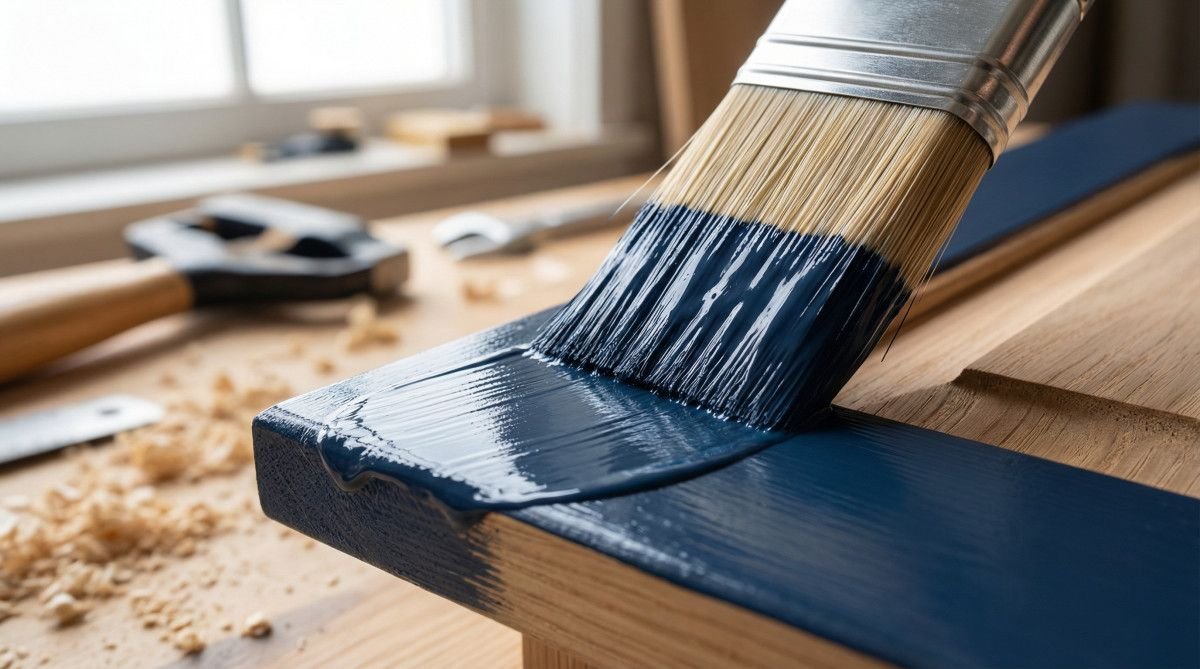
Benjamin Moore Advance remains a favorite among enthusiasts because of its extended “open time,” which allows the paint to flow and level out, virtually eliminating brush marks. However, this feature comes with a longer wait time between coats, often requiring 16 to 24 hours of drying. In contrast, Sherwin-Williams Emerald Urethane Trim Enamel is the professional’s choice for projects that need to be completed quickly. It dries to the touch in hours and reaches a significant level of hardness much faster than its competitors, although it requires a more practiced hand to avoid texture during application.
For those working on a tighter budget, the Behr Premium Cabinet & Trim Interior Satin Enamel has proven to be a formidable competitor. In recent independent testing, it showed excellent resistance to sagging and provided a finish that was nearly indistinguishable from higher-priced boutique brands. The following table illustrates the key differences between these top-rated options to help you determine which product fits your project timeline and budget.
| Paint Brand & Line | Primary Resin Type | Cure Time (Full Hardness) | Price Range (per Gallon) | Best For |
|---|---|---|---|---|
| Benjamin Moore Advance | Waterborne Alkyd | 21 – 30 Days | $75 – $95 | Achieving a mirror-smooth finish |
| Sherwin-Williams Emerald | Urethane Acrylic | 14 – 21 Days | $85 – $105 | High-traffic kitchens and fast turnarounds |
| Behr Cabinet & Trim | Acrylic Enamel | 28 – 35 Days | $45 – $60 | Budget-friendly renovations |
| Milesi (Inspired by U) | Italian Alkyd | 7 – 14 Days | $110 – $130 | Ultimate luxury and durability |
Professional Application Techniques for a Factory Finish
Achieving a factory-smooth finish when refinishing cabinets depends more on preparation and application than the paint itself. Utilizing high-density foam rollers or an HVLP sprayer, combined with meticulous sanding between coats using 220-grit paper, ensures a professional-grade surface that is free of brush marks and imperfections. Even the most expensive paint for refinishing cabinets will fail if the underlying surface is not properly prepared to accept the new coating.
The most common mistake DIYers make is skipping the primer or choosing an inferior product. According to the Kitchen Cabinet Manufacturers Association (2025), proper surface preparation accounts for over 70% of the final finish’s long-term durability and adhesion. A high-quality bonding primer, such as Zinsser BIN or Benjamin Moore Stix, is essential for creating a “bridge” between the old finish and the new paint. This is especially true for stained or factory-finished cabinets, which are often too slick for paint to adhere to directly without a dedicated bonding agent.
When it comes to application, the choice between spraying and rolling is a matter of equipment and environment. Spraying with a High-Volume Low-Pressure (HVLP) system provides the most consistent finish but requires extensive masking of the kitchen area. Rolling with a high-quality microfiber or foam roller is more accessible for most DIYers and can still yield excellent results if the paint is allowed to self-level. Regardless of the method, the environment must be kept dust-free, and the air temperature should remain between 65 and 75 degrees Fahrenheit to ensure optimal curing conditions.
Frequently Asked Questions
Do I really need to sand my cabinets before refinishing?
Yes, sanding is a non-negotiable step for achieving a professional finish. Lightly scuffing the surface with 120-grit to 150-grit sandpaper removes the existing gloss and creates a “tooth” for the primer to grip. Without this mechanical bond, even the best cabinet paints are prone to peeling and chipping within the first year of use.
How long should I wait before using my cabinets after painting?
While most cabinet paints are dry to the touch within a few hours, they require a significant amount of time to reach full hardness. You should wait at least 24 hours before reattaching doors and drawers, and at least 14 to 30 days before cleaning the surfaces with any chemicals. Treating the cabinets with extreme care during this curing window is essential for long-term durability.
Is a topcoat necessary for extra protection?
A topcoat is generally not necessary when using high-quality cabinet enamels like waterborne alkyds or urethane acrylics. These products are specifically formulated to be “self-sealing,” meaning the resin itself provides the final protective layer. Adding a clear coat over these paints can sometimes lead to yellowing or adhesion issues if the products are not chemically compatible.
Can I use chalk paint for kitchen cabinets?
Chalk paint is popular for furniture because of its matte aesthetic and ease of use, but it is generally not recommended for kitchen cabinets. The porous nature of chalk paint makes it susceptible to absorbing grease and moisture. Even when sealed with wax or polyurethane, it lacks the impact resistance and scrubbability provided by dedicated cabinet enamels.
What is the best way to clean refinished cabinets?
To maintain the integrity of the finish, you should use only mild soap and water with a soft microfiber cloth. Avoid abrasive sponges, citrus-based cleaners, or any products containing ammonia, as these can gradually break down the paint’s resin and dull the sheen over time.
The process of refinishing cabinets is a labor-intensive but rewarding endeavor that can completely transform the aesthetic of a home. By selecting a premium paint for refinishing cabinets and following professional application standards, homeowners can achieve results that rival custom cabinetry at a fraction of the cost. The key lies in patience, particularly during the cleaning and curing phases, ensuring that your hard work results in a beautiful and resilient kitchen for years to come.