


Fascia and soffit repair is crucial for maintaining a home’s structural integrity and aesthetic appeal, preventing water damage, pest infestations, and costly future repairs. These components, often overlooked, play a vital role in protecting the roofline and attic from external elements. Addressing issues promptly ensures the longevity of your roofing system and overall property value.
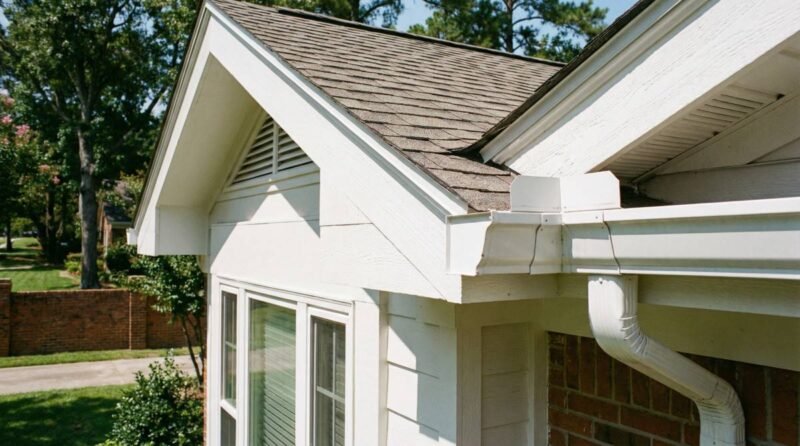
The fascia board, mounted at the point where the roof meets the outer walls, supports the bottom row of roof tiles or shingles and provides a surface for attaching gutters. It also seals the roof edge, preventing water from entering the roof structure. The soffit, located underneath the fascia, covers the eaves and often includes vents to facilitate attic ventilation.
Together, fascia and soffit create a protective barrier against weather, insects, and small animals, while also contributing to the home’s exterior finish. Their proper function is integral to a healthy roof and attic environment, safeguarding against moisture buildup and potential structural decay.
Understanding Fascia and Soffit: Importance and Function
Fascia and soffit are critical elements of a home’s roofing system, serving both protective and aesthetic functions by shielding the roofline from environmental damage and enhancing curb appeal. The fascia board provides a finished edge to the roof, supporting the lower edge of the roof deck and offering a secure attachment point for gutters. The soffit, positioned beneath the eaves, closes the gap between the siding and the roof’s edge, often featuring vents that promote essential attic airflow.
These components work in tandem to prevent water intrusion into the roof structure and attic, which can lead to rot, mold, and compromised insulation. They also deter pests like birds, squirrels, and insects from nesting in the attic or roof voids. Proper ventilation through soffit vents helps regulate attic temperature and moisture, extending the life of the roof and reducing energy costs.
Beyond their protective roles, fascia and soffit contribute significantly to a home’s exterior appearance, providing a clean, finished look to the roofline. Damage to these elements can quickly detract from a home’s visual appeal and signal underlying structural issues, making their maintenance and timely repair essential for homeowners.
Common Types of Damage and Repair Options
Fascia and soffit can suffer various forms of damage due to weather exposure, age, and pests, necessitating specific repair approaches to restore their protective and aesthetic qualities. Water damage, often from overflowing gutters or ice dams, is a primary culprit, leading to rot, warping, and discoloration of wooden components. Pests, such as termites, carpenter bees, and rodents, can also cause significant structural damage by burrowing into or nesting within these areas.
Other common issues include cracks, peeling paint, and sagging, which can be indicative of underlying structural problems or simply wear and tear. The choice of repair method depends on the extent and nature of the damage, ranging from minor cosmetic fixes to complete section replacements. Early detection and intervention are key to preventing minor issues from escalating into more extensive and costly repairs.
| Damage Type | Common Causes | Repair Options |
|---|---|---|
| Rot/Decay | Water damage from leaky gutters, poor drainage, high humidity | Section replacement, wood hardeners, patching with epoxy filler |
| Pest Infestation | Termites, carpenter bees, rodents seeking shelter or food | Pest extermination, damaged section replacement, sealing entry points |
| Cracks/Splits | Weathering, drying out, impact damage, improper installation | Caulking, wood filler, sanding, painting, small section replacement |
| Sagging/Warping | Water saturation, structural issues, improper fastening | Re-securing loose sections, reinforcing, full board replacement |
| Peeling Paint | Moisture, poor paint adhesion, UV exposure | Scraping, sanding, priming, repainting with exterior-grade paint |
Step-by-Step Fascia and Soffit Repair Process
A systematic approach to fascia and soffit repair ensures thoroughness and durability, beginning with a comprehensive assessment of the damage and preparation of the work area. The initial step involves carefully inspecting the entire roofline to identify all areas of concern, including rot, cracks, pest activity, and loose sections. This assessment helps determine the scope of the repair and the necessary materials and tools.
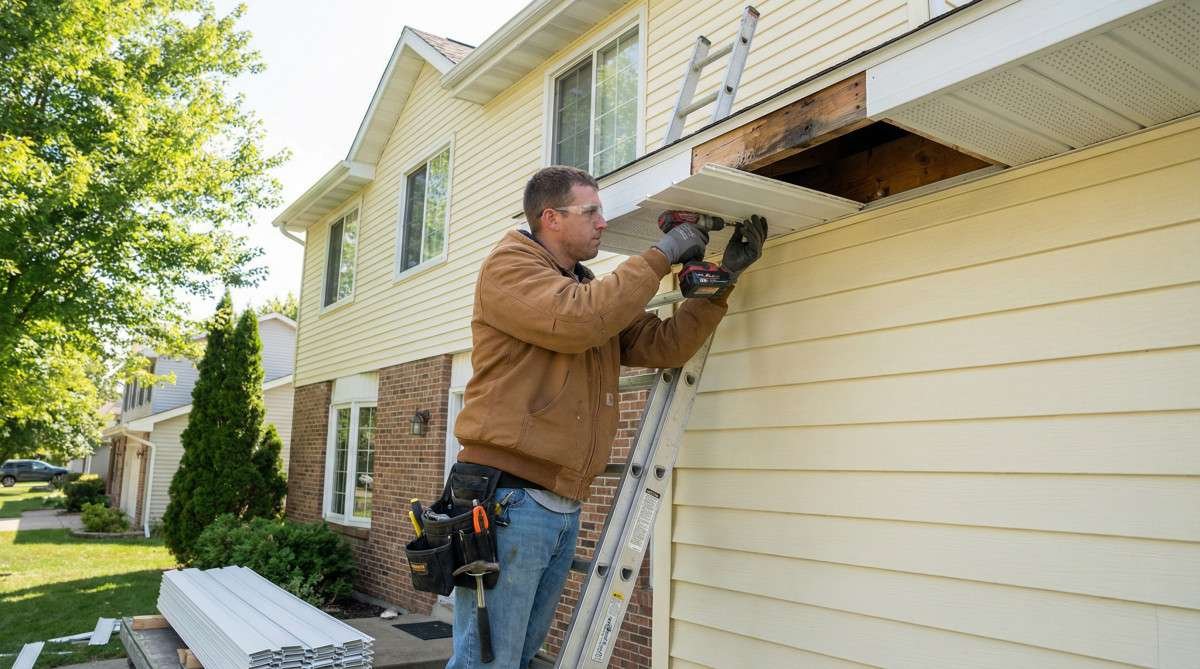
Once the damaged areas are identified, the next phase involves removing compromised sections of fascia or soffit, taking care to avoid further damage to adjacent components. For minor rot, specialized wood hardeners and fillers can be applied, followed by sanding to create a smooth surface. For more extensive damage, entire sections of the board or panel must be cut out and replaced with new, appropriately sized materials.
After replacement or repair, the new or repaired sections are primed and painted with exterior-grade paint to match the existing trim, providing protection against moisture and UV radiation. Ensuring proper sealing and fastening is crucial for the longevity of the repair. Finally, a thorough cleanup of the work area completes the process, leaving a secure and aesthetically pleasing finish.
Cost Considerations and Preventative Measures
The cost of fascia and soffit repair varies significantly based on the extent of the damage, the materials used, and labor rates in a given area, making preventative maintenance a cost-effective strategy. Minor repairs, such as patching small holes or repainting, are relatively inexpensive, often ranging from a few hundred dollars. However, extensive damage requiring full section replacement or structural repairs can escalate costs considerably, potentially reaching several thousand dollars.
Factors influencing cost include the type of material (wood, vinyl, aluminum), the height and accessibility of the roofline, and whether additional work, such as gutter replacement or pest control, is needed. Obtaining multiple quotes from qualified contractors is advisable to ensure fair pricing and comprehensive service. Investing in high-quality materials and professional installation can also reduce the likelihood of future repairs.
Preventative measures are essential for minimizing repair costs and extending the lifespan of fascia and soffit. Regular gutter cleaning prevents water overflow and subsequent damage. Promptly addressing roof leaks and ensuring proper attic ventilation also mitigate moisture-related issues. Periodic inspections for signs of wear, rot, or pest activity allow for early intervention, saving homeowners from more significant expenses down the line.
Long-Term Benefits and Maintenance Tips
Investing in timely fascia and soffit repair yields substantial long-term benefits, including enhanced structural integrity, improved energy efficiency, and increased property value, while consistent maintenance ensures these advantages endure. Properly functioning fascia and soffit protect the vulnerable edges of the roof from water penetration, which can otherwise lead to costly damage to the roof deck, rafters, and interior walls. This protection extends the overall lifespan of the roofing system and prevents the development of mold and mildew in the attic.
Effective soffit ventilation plays a crucial role in regulating attic temperatures, reducing heat buildup in summer and preventing ice dams in winter. This thermal regulation contributes to lower heating and cooling costs, improving the home’s energy efficiency. Furthermore, a well-maintained roofline significantly enhances a home’s curb appeal, making it more attractive to potential buyers and contributing positively to its market value.
To ensure the longevity of fascia and soffit, regular inspections are paramount, ideally performed twice a year or after severe weather events. Key maintenance tips include keeping gutters clean and free of debris to prevent water overflow, checking for peeling paint or cracks that could allow moisture intrusion, and promptly addressing any signs of pest activity. Repainting or resealing as needed provides an additional layer of protection against the elements.
Frequently Asked Questions
What is the purpose of fascia and soffit?
Fascia and soffit protect the roofline and attic from weather, pests, and water damage, while also providing aesthetic appeal to the home’s exterior. The fascia supports gutters and the lower edge of the roof, and the soffit covers the eaves, often with vents for attic ventilation.
How often should I inspect my fascia and soffit?
It is recommended to inspect your fascia and soffit at least twice a year, typically in the spring and fall, and after any significant weather events. Regular inspections help identify minor issues before they escalate into major problems.
What are the signs of damaged fascia or soffit?
Common signs of damage include peeling paint, rotting wood, cracks, sagging sections, water stains, and visible pest activity like holes or nests. These indicators suggest that repairs or replacement may be necessary to prevent further deterioration.
Can I repair fascia and soffit myself?
Minor repairs like patching small holes or repainting can often be done by a homeowner with basic DIY skills. However, extensive damage, structural issues, or working at significant heights typically require professional expertise for safety and effective repair.
What materials are used for fascia and soffit?
Fascia and soffit are commonly made from wood (pine, cedar), vinyl, aluminum, or fiber cement. Each material offers different benefits in terms of durability, maintenance requirements, and aesthetic options, allowing homeowners to choose based on their specific needs and budget.
Maintaining the integrity of your home’s fascia and soffit is a proactive step towards safeguarding its overall structure and ensuring its long-term value. Regular attention to these critical components can prevent extensive damage, preserve energy efficiency, and enhance the aesthetic appeal of your property for years to come.