


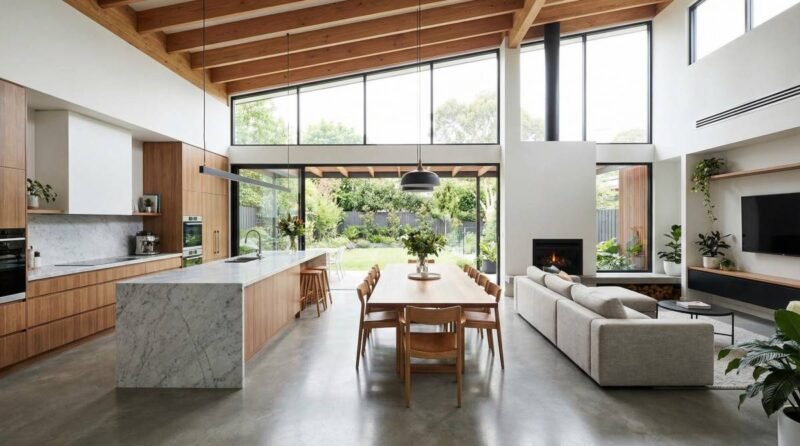
Open floor plans have revolutionized modern home design, breaking down traditional barriers between living spaces to create expansive, interconnected environments. This design philosophy, characterized by the absence of walls separating common areas like the kitchen, dining room, and living room, fosters a sense of spaciousness, light, and connectivity. For homeowners and property managers alike, understanding the multifaceted benefits of this layout is crucial, as it significantly impacts lifestyle, property value, and functional utility. From enhancing social interaction to maximizing natural light and offering unparalleled flexibility, open floor plans present a compelling case for their continued popularity in contemporary architecture and interior design. This article delves into the core advantages that make open floor plans a highly sought-after feature in residential and commercial properties.
Enhanced Social Interaction and Family Connectivity
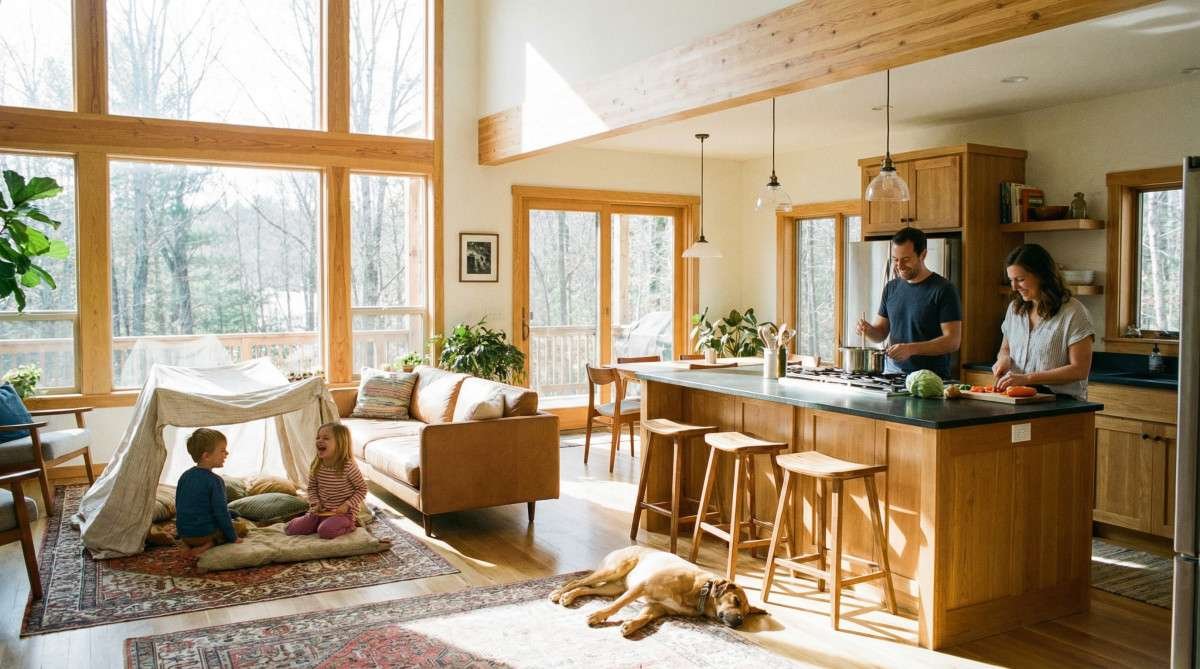
One of the most celebrated benefits of an open floor plan is its ability to foster greater social interaction and family connectivity. By removing walls that traditionally compartmentalize rooms, these layouts create a communal hub where activities can overlap and conversations can flow freely. Imagine preparing a meal in the kitchen while simultaneously engaging with family members relaxing in the living room or children doing homework at the dining table. This seamless integration of spaces encourages a more inclusive living experience, preventing individuals from feeling isolated in separate rooms. It transforms daily routines into shared moments, strengthening familial bonds and making entertaining guests a more fluid and enjoyable experience. The absence of physical barriers naturally promotes a sense of togetherness, making the home feel more vibrant and alive. This design philosophy cultivates an environment where shared experiences are the norm, rather than the exception, making every day feel more connected and engaging. The open layout inherently encourages occupants to spend more time together, fostering a stronger sense of community within the home.
This design choice is particularly advantageous for families with young children, as it allows parents to supervise their kids more easily while attending to other tasks. It also benefits those who frequently host gatherings, as guests can mingle effortlessly between different zones without feeling confined. The open nature of the space facilitates natural movement and interaction, ensuring that no one is ever truly out of sight or out of mind. This communal aspect extends beyond immediate family, creating an inviting atmosphere for friends and extended relatives, making the home a true center for social life. The psychological impact of such an environment is profound, contributing to a more harmonious and interactive household dynamic. Furthermore, the ability to maintain visual contact across different areas can significantly reduce feelings of isolation, especially for individuals who might otherwise be alone in a separate room. This continuous connection supports mental well-being and promotes a more engaged household.
Maximizing Natural Light and Airflow
Open floor plans are inherently designed to maximize the distribution of natural light throughout a home. With fewer interior walls to obstruct the path of sunlight, light from windows can penetrate deeper into the living space, illuminating areas that would otherwise be dark and enclosed. This abundance of natural light not only creates a brighter and more inviting atmosphere but also has practical benefits, such as reducing the need for artificial lighting during the day, leading to potential energy savings. The visual connection to the outdoors is also enhanced, making the interior feel more expansive and connected to its surroundings. This continuous flow of light contributes significantly to the overall aesthetic appeal and perceived size of the property. The psychological benefits of natural light are well-documented, including improved mood, increased productivity, and better sleep patterns, all of which contribute to a higher quality of life for residents.
Beyond light, open layouts also promote superior airflow and ventilation. The unobstructed pathways allow air to circulate more freely, which can be particularly beneficial in warmer climates or during seasons when fresh air is desired. This improved ventilation helps to maintain a comfortable indoor temperature, reduce humidity, and dissipate cooking odors more effectively. The feeling of an airy, unconfined space contributes to a sense of well-being and comfort for occupants. The combination of ample natural light and efficient air circulation creates a healthier and more pleasant living environment, making open floor plans a desirable choice for those prioritizing comfort and sustainability. This natural ventilation can also help in reducing the reliance on air conditioning, further contributing to energy efficiency and lower utility bills, making it an environmentally conscious choice.
Increased Flexibility and Versatility in Space Utilization
The inherent lack of fixed walls in an open floor plan provides unparalleled flexibility in how a space can be utilized and adapted over time. Unlike traditional layouts with designated rooms for specific functions, an open concept allows homeowners to define and redefine areas based on their evolving needs and preferences. A large open area can serve as a combined living and dining space for everyday use, then easily transform into a grand entertaining area for special occasions. Furniture arrangement, area rugs, and strategic lighting can be used to delineate different zones without the permanence of walls, offering a dynamic and adaptable living environment. This adaptability is crucial in modern living, where lifestyles and family structures can change rapidly, requiring a home that can evolve with its occupants without major structural overhauls.
This versatility extends to future renovations or redecorating projects. Changing the function of a “room” in an open plan is often as simple as rearranging furniture, rather than undertaking costly and disruptive structural modifications. For property managers, this flexibility is a significant selling point, as it appeals to a broader range of tenants or buyers who appreciate the ability to customize their living or working environment. The adaptability of open spaces ensures that the home remains functional and appealing through various life stages and design trends, offering long-term value and practical benefits. It empowers occupants to truly make the space their own, reflecting their unique lifestyle. This ease of modification also means that homes with open floor plans are often easier to sell or rent, as they can be presented in various configurations to appeal to different tastes and needs, thus broadening their market appeal.
Open vs. Traditional Floor Plans: A Comparison
| Feature | Open Floor Plan | Traditional Floor Plan |
|---|---|---|
| Social Interaction | Encourages continuous interaction and connectivity across spaces. | Limits interaction to specific rooms, potentially isolating individuals. |
| Natural Light | Maximizes light penetration, creating brighter, more expansive interiors. | Light often restricted by walls, leading to darker, compartmentalized rooms. |
| Space Flexibility | Highly adaptable; zones can be redefined with furniture and decor. | Fixed room functions; changes often require structural modifications. |
| Perceived Size | Feels larger and more spacious, even in smaller footprints. | Can feel smaller and more confined due to numerous walls. |
| Privacy | Generally less privacy due to interconnected spaces. | Offers more privacy with distinct, enclosed rooms. |
| Noise Control | Noise can travel easily across the entire open area. | Walls help to contain and reduce noise within individual rooms. |
Enhanced Property Value and Modern Appeal
In today’s real estate market, open floor plans are a highly desirable feature that can significantly enhance a property’s market value and appeal. Modern buyers and renters often prioritize spacious, light-filled interiors that offer a contemporary aesthetic and flexible living options. Homes with open layouts are perceived as more modern, luxurious, and functional, making them stand out in a competitive market. The perception of greater space, even in properties with a modest footprint, is a powerful draw, as it aligns with current lifestyle trends that emphasize communal living and seamless transitions between activities. This increased demand translates directly into a more competitive market for these properties, often resulting in higher sale prices and faster transactions, making them a sound investment for homeowners.
Property managers find that open floor plans lead to quicker rentals and sales, often at higher price points, due to their broad appeal. The ease of staging and decorating such spaces also contributes to their marketability, as they present a blank canvas that prospective occupants can easily envision customizing. Furthermore, the timeless nature of spaciousness and natural light ensures that open floor plans remain relevant and attractive over time, protecting the investment. This design choice is not merely a trend but a fundamental shift in how people desire to live, making it a wise consideration for anyone looking to build, buy, or manage property. The modern aesthetic associated with open plans also contributes to a perception of higher quality and contemporary design, further boosting their marketability and ensuring a strong return on investment.
Improved Communication and Oversight
Beyond social interaction, open floor plans inherently improve communication and oversight within a household or even a small office environment. The absence of walls means that conversations are not confined to a single room, allowing for easier communication across different areas. This is particularly beneficial in busy households where multiple activities are happening simultaneously. A parent can easily communicate with a child in another “zone” without raising their voice or moving to another room, fostering a more connected and responsive living dynamic. This constant, subtle communication flow contributes to a more organized and harmonious household. This enhanced communication can also extend to guests, making social gatherings more engaging and ensuring that hosts can interact with everyone without feeling separated by walls.
For property managers, this aspect can translate into a more efficient use of space in common areas or shared living arrangements. In a co-living setup, for instance, an open plan can encourage residents to interact more, leading to a stronger community feel. In a small office, it can facilitate team collaboration and spontaneous discussions. The improved oversight is also a significant safety benefit, especially for families with young children or elderly residents, as it allows for constant monitoring without physical barriers. This enhanced visibility and ease of communication are practical advantages that contribute to both comfort and safety within the open living environment. The ability to quickly assess situations and respond to needs across the entire living area provides an invaluable sense of security and peace of mind for all occupants.
Frequently Asked Questions About Open Floor Plans
What exactly is an open floor plan?
An open floor plan is a design concept where two or more common rooms, such as the kitchen, dining room, and living room, are combined into a single, larger space without dividing walls. This creates a continuous, flowing area that enhances spaciousness and connectivity.
Are open floor plans good for families?
Yes, open floor plans are often considered excellent for families. They promote family interaction, allow for easier supervision of children, and create a central hub for shared activities, fostering a sense of togetherness and communication.
Do open floor plans increase home value?
Generally, yes. Open floor plans are highly sought after in the current real estate market due to their modern appeal, spaciousness, and flexibility. This desirability often translates into higher property values and quicker sales or rentals.
What are the disadvantages of open floor plans?
While offering many benefits, potential disadvantages include less privacy, increased noise transmission, and challenges with heating and cooling larger, undivided spaces. Careful planning can mitigate some of these concerns.
How can I define zones in an open floor plan?
Zones in an open floor plan can be effectively defined using furniture arrangement, area rugs, lighting fixtures, shelving units, and even subtle changes in flooring materials. These elements create visual distinctions without the need for physical walls.
Conclusion: The Enduring Appeal of Connected Living
The widespread adoption of open floor plans in modern residential and commercial design is a testament to their numerous and compelling benefits. From fostering enhanced social interaction and maximizing the influx of natural light to offering unparalleled flexibility in space utilization and boosting property value, these layouts cater to contemporary living preferences. While considerations such as noise and privacy require thoughtful design solutions, the overarching advantages of a connected, spacious, and adaptable environment continue to make open floor plans a highly desirable choice for homeowners and property managers alike. Embracing this design philosophy means investing in a lifestyle that prioritizes connectivity, comfort, and a dynamic living experience, ensuring its enduring appeal for years to come.