


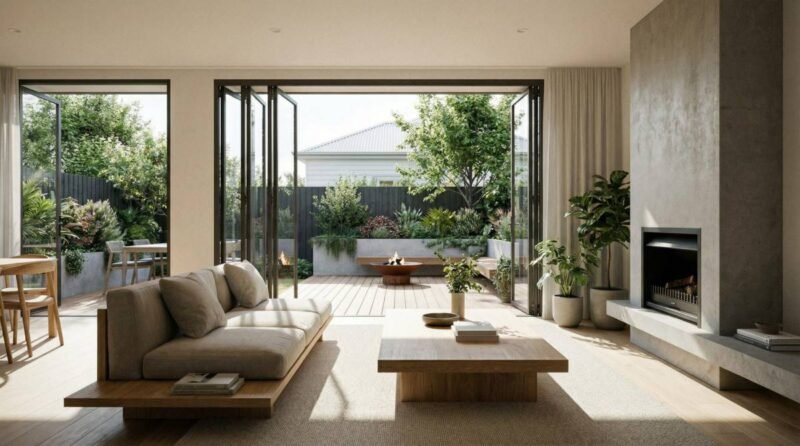
Bifold and sliding doors are distinct architectural solutions designed to maximize natural light and optimize spatial efficiency within residential and commercial properties. These door types offer unique operational mechanisms and aesthetic benefits, making them popular choices for connecting indoor and outdoor areas or dividing large interior spaces. Understanding their differences and applications is crucial for selecting the most appropriate system for a specific design objective.
Bifold doors, characterized by multiple panels that fold accordion-style, stack neatly to one or both sides, creating a wide, unobstructed opening. Sliding doors, conversely, consist of panels that glide horizontally along a track, typically overlapping when open. Both designs contribute significantly to modern architectural trends focusing on open-plan living and integration with the natural environment.
The choice between bifold and sliding doors often depends on factors such as available space for stacking or gliding, desired aesthetic, and the extent of the opening required. Each system provides practical advantages in terms of ventilation, accessibility, and visual appeal, transforming how occupants interact with their surroundings.
Understanding the Mechanics of Bifold and Sliding Doors
Bifold doors operate on a sophisticated track system, allowing multiple panels to fold and stack compactly, providing expansive openings that can merge indoor and outdoor living areas. This mechanism involves hinges between panels and rollers along a top or bottom track, enabling smooth, synchronized movement. The ability to open almost the entire width of an aperture is a primary advantage, offering unparalleled access and ventilation.
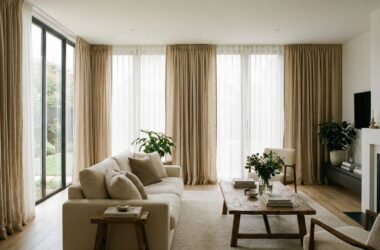
Sliding doors, in contrast, utilize panels that move horizontally along parallel tracks, with one panel typically gliding over another. This design is ideal for situations where space for stacking is limited, as the panels remain within the existing wall footprint. Modern sliding systems often feature large glass panes, maximizing views and natural light even when closed, and can be configured with multiple tracks for wider openings.
Both door types are engineered for durability and ease of use, incorporating robust hardware and weather-sealing technologies. The operational smoothness and longevity of these systems depend heavily on the quality of their components, including tracks, rollers, and locking mechanisms. Regular maintenance ensures continued optimal performance and extends their lifespan.
Key Factors and Types of Door Systems
Selecting between bifold and sliding doors involves evaluating several key factors, including the available space, desired aesthetic, and functional requirements of the opening. Bifold doors excel in creating wide, uninterrupted transitions, while sliding doors offer a sleek, space-saving solution. Material choices, glazing options, and security features also play a significant role in the decision-making process.
Different types of bifold and sliding doors cater to various architectural styles and performance needs. Bifold doors can be top-hung or bottom-rolling, with top-hung systems often preferred for smoother operation and less debris accumulation in the track. Sliding doors range from traditional patio sliders to advanced lift-and-slide systems, which provide superior thermal performance and larger panel sizes.
The table below provides a comparative overview of bifold and sliding door characteristics, highlighting their primary differences and suitable applications. This comparison assists in understanding which system aligns best with specific project demands and design aspirations.
| Feature | Bifold Doors | Sliding Doors |
|---|---|---|
| Opening Style | Panels fold and stack to one or both sides, creating a wide opening. | Panels glide horizontally along tracks, overlapping when open. |
| Space Requirement | Requires space for stacked panels at the side(s) of the opening. | Panels remain within the existing wall footprint, ideal for narrow spaces. |
| View Obstruction | Minimal obstruction when fully open, panels stack neatly. | One or more panels always remain visible, overlapping others. |
| Ventilation | Excellent, as the entire opening can be exposed. | Good, but limited to the width of the open panel(s). |
| Aesthetics | Modern, dramatic, creates a seamless indoor-outdoor flow. | Sleek, minimalist, maximizes glass area for expansive views. |
| Cost | Generally higher due to complex hardware and multiple panels. | Often more budget-friendly, especially for standard configurations. |
Installation and Configuration Considerations
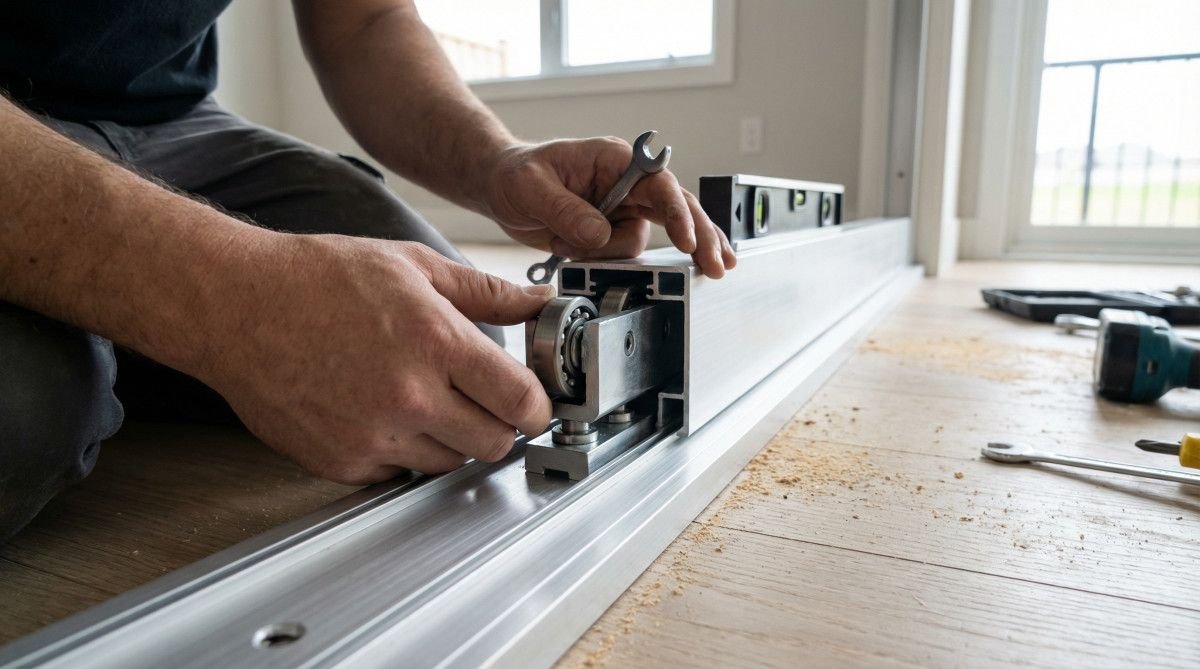
Proper installation of bifold and sliding doors is critical for their long-term performance, ensuring smooth operation, weather resistance, and security. The process begins with precise measurements and a structurally sound opening, as both door types can be heavy, especially with large glass panels. Professional installation is highly recommended to guarantee correct alignment and sealing.
Configuration options for bifold doors include the number of panels, the direction of opening (inward or outward), and whether they open from the center or one side. Sliding doors offer choices in the number of tracks and panels, allowing for various opening widths and operational flexibility. Pocket sliding doors, for instance, disappear into a wall cavity, offering a completely unobstructed opening.
Material selection significantly impacts installation and performance. Aluminum frames are lightweight and durable, suitable for large spans, while timber offers natural aesthetics but requires more maintenance. Glazing choices, such as double or triple-pane glass, enhance thermal insulation and acoustic performance, contributing to energy efficiency and comfort within the property.
Common Challenges and Cost Implications
Potential challenges with bifold and sliding doors include issues with track alignment, weather sealing, and the overall weight of the units, which can affect long-term durability if not properly installed. Tracks can accumulate debris, leading to stiff operation, while inadequate sealing can result in drafts and moisture ingress. Addressing these issues often requires professional adjustment or repair.
The cost of bifold and sliding doors varies widely based on material, size, glazing type, and brand. Bifold doors typically incur higher costs due to their more complex hardware and multiple panels. Sliding doors, especially standard configurations, can be a more economical choice, though large custom lift-and-slide systems can also be a significant investment.
Beyond the initial purchase and installation, ongoing maintenance costs should be considered. Regular cleaning of tracks, lubrication of moving parts, and occasional seal replacement are necessary to preserve functionality and appearance. Investing in high-quality systems and professional installation can mitigate future repair expenses and enhance the overall value of the property.
Long-Term Benefits and Maintenance Strategies
The long-term benefits of installing bifold and sliding doors include enhanced property value, improved energy efficiency, and a superior living environment. These doors significantly increase natural light penetration, reducing reliance on artificial lighting and contributing to lower energy bills. Their ability to create seamless indoor-outdoor transitions also adds considerable appeal and functionality to any space.
Effective maintenance is crucial for maximizing the lifespan and performance of bifold and sliding doors. Regular cleaning of tracks to remove dirt and debris prevents operational stiffness and wear on rollers. Lubricating hinges and moving parts with appropriate silicone-based sprays ensures smooth gliding and folding actions, reducing friction and extending component life.
Inspecting seals and weather stripping periodically helps maintain thermal efficiency and prevents water ingress. Any signs of wear or damage should be addressed promptly to avoid larger issues. For complex mechanisms, professional servicing every few years can identify and rectify potential problems before they escalate, preserving the door’s integrity and aesthetic appeal.
Frequently Asked Questions
What is the main difference between bifold and sliding doors?
The primary distinction lies in their opening mechanism; bifold doors fold and stack to create a wide, almost completely open space, while sliding doors glide along a track, with panels overlapping. Bifolds offer a larger clear opening, whereas sliders are more space-efficient as panels remain within the frame.
Are bifold doors more expensive than sliding doors?
Generally, bifold doors tend to be more expensive than standard sliding doors due to their more intricate hardware, multiple panels, and complex folding mechanism. However, the cost can vary significantly based on materials, size, glazing, and customization options for both types.
Which door type provides better insulation?
Both bifold and sliding doors can offer excellent insulation, depending on the quality of materials, glazing (e.g., double or triple-pane), and sealing. Lift-and-slide door systems often provide superior thermal performance due to their robust sealing when closed, but modern bifold designs also achieve high energy efficiency ratings.
Can bifold and sliding doors be used internally?
Yes, both bifold and sliding doors are highly versatile and frequently used for internal applications to divide rooms, create flexible living spaces, or enclose wardrobes. Internal bifold doors often feature lighter construction, while internal sliding doors can be surface-mounted or integrated as pocket doors.
What maintenance is required for these door systems?
Regular maintenance involves cleaning tracks to prevent debris buildup, lubricating hinges and rollers for smooth operation, and inspecting seals for wear. Keeping the glass clean and checking locking mechanisms periodically ensures both functionality and security for both bifold and sliding door systems.