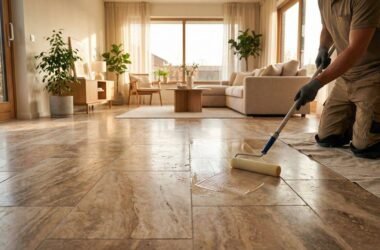



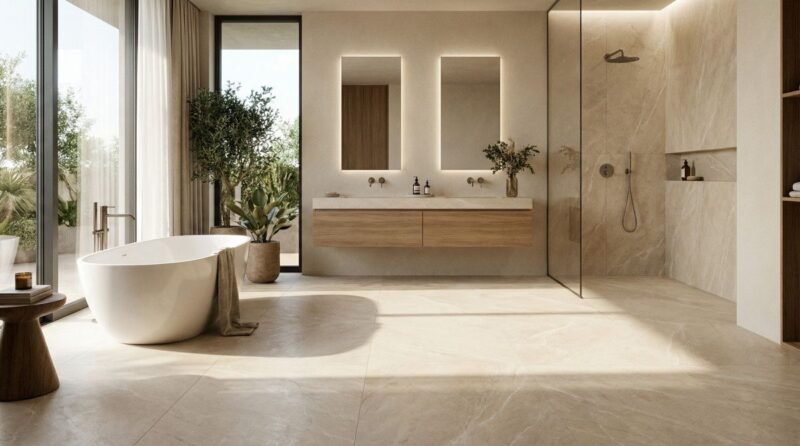
Choosing the perfect tile floor ideas for bathroom renovations is a critical step in creating a space that is both visually stunning and highly functional. In 2026, the focus has shifted toward personalized environments that prioritize tactile experiences and sustainable materials. The bathroom floor is no longer just a surface to walk on; it is a foundational design element that sets the tone for the entire room, from the initial impression to the daily routine.
The evolution of tile technology has allowed for an incredible range of textures and patterns that were once impossible to achieve. Whether you are aiming for a classic, timeless look with natural stone or a bold, modern statement with geometric porcelain, the options are more diverse than ever. This guide explores the most influential trends of the year, helping you navigate the complexities of material selection, pattern layouts, and essential safety considerations to ensure your bathroom remains a sanctuary for years to come.
Trending Materials for Bathroom Floor Tiles
The most popular bathroom floor tile materials in 2026 are porcelain, ceramic, and natural stone. Porcelain remains the top choice for its durability and water resistance, while natural stone like marble and travertine offers a high-end, unique aesthetic. New manufacturing techniques have also introduced textured, non-slip surfaces that combine safety with style, allowing homeowners to prioritize both beauty and functionality in their renovations.
According to the Tile Council of North America (2025), porcelain tile is the most recommended material for high-moisture areas due to its absorption rate of less than 0.5 percent. This makes it virtually impervious to water damage and staining, which is essential for a high-traffic bathroom environment. Porcelain tiles are also incredibly versatile, with modern printing technology allowing them to mimic the look of natural wood, concrete, or even luxurious marble with startling accuracy and lower maintenance requirements.
Natural stone remains a timeless favorite for those seeking an elegant, high-end finish. Marble, travertine, and limestone each offer a unique pattern and texture that cannot be perfectly replicated by man-made materials. While stone requires more maintenance, such as periodic sealing to prevent staining, its natural beauty and ability to increase home value make it a worthwhile investment for many. In 2026, there is a growing trend toward using honed or tumbled stone finishes, which provide a softer, more organic feel underfoot compared to traditional polished surfaces.
Innovative Patterns and Layouts
Innovative patterns like herringbone, chequerboard, and large-format tiles are redefining bathroom floors in 2026. These layouts can visually expand small spaces or create bold focal points, depending on the desired aesthetic. Designers are increasingly using “tile drenching,” where the same pattern extends from the floor up the walls for a seamless, immersive look that adds a sophisticated touch to any modern bathroom renovation.
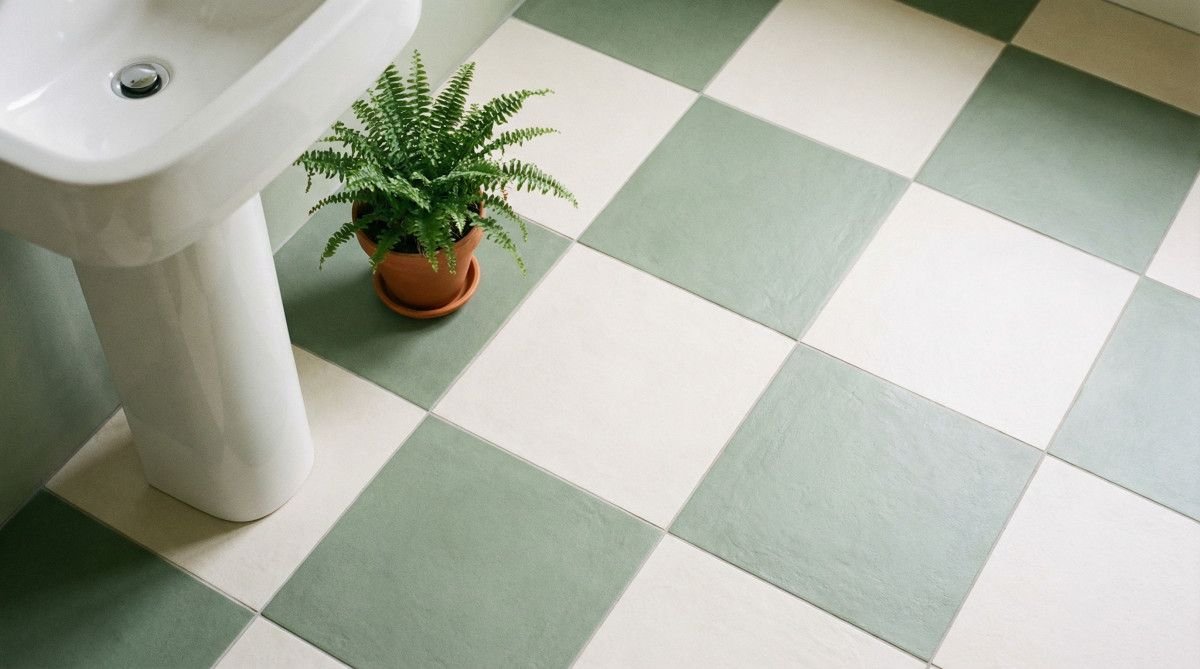
The resurgence of chequerboard patterns is one of the most prominent trends of the year, with designers using unexpected color pairings like soft sage green and creamy white or classic black and white. This pattern adds a touch of historical charm while feeling fresh and contemporary. For those who prefer a more subtle look, large-format tiles are a popular choice as they require fewer grout lines, creating a cleaner and more expansive feel in both small and large bathrooms.
| Pattern | Visual Impact | Installation Difficulty | Best For |
|---|---|---|---|
| Herringbone | High | Moderate | Creating a sense of movement |
| Chequerboard | High | Low | Classic and bold styles |
| Basketweave | Moderate | Moderate | Traditional and vintage looks |
| Hexagon | Moderate | Low | Small bathrooms and focal points |
Choosing the right pattern can also influence the perceived size of a bathroom. For example, laying tiles diagonally or in a herringbone pattern can draw the eye across the room, making it feel wider and more spacious. Conversely, large-format tiles can reduce visual clutter, which is particularly effective in minimalist or modern designs where a seamless appearance is prioritized.
Safety and Maintenance: Non-Slip and Easy-Clean Options
Selecting the right bathroom floor tile requires balancing aesthetics with safety and maintenance. Non-slip tiles with a high Dynamic Coefficient of Friction (DCOF) rating are essential for preventing falls in wet areas. Additionally, choosing larger tiles with fewer grout lines or using epoxy grout can significantly reduce cleaning time and prevent mold growth, ensuring your bathroom remains a hygienic and safe environment for years to come.
According to the National Kitchen & Bath Association (2026), safety-first design, including slip-resistant flooring, is the primary concern for 85% of homeowners planning a bathroom remodel. This shift toward prioritizing safety is driving manufacturers to develop more advanced textures that provide excellent grip without sacrificing style. When selecting a tile, it is crucial to look for its DCOF rating, with a value of 0.42 or higher being the standard for level interior spaces expected to be walked upon when wet.
Grout selection is another vital component of a long-lasting and easy-to-maintain bathroom floor. While traditional cement-based grout is common, it is porous and prone to staining and mold. In 2026, many designers are recommending epoxy or high-performance cement grouts, which are more resistant to water and chemicals. Using a slightly darker grout color can also help hide everyday wear and tear, keeping the floor looking newer for longer with minimal effort.
Frequently Asked Questions (FAQ)
What is the best tile for a bathroom floor?
Porcelain is widely considered the best tile for a bathroom floor due to its exceptional durability and water resistance. It is also available in a vast array of styles, colors, and textures, making it a versatile choice for any design aesthetic.
Are large tiles better for small bathrooms?
Yes, large-format tiles can be a great choice for small bathrooms as they require fewer grout lines, which reduces visual clutter and can make a space feel more open and expansive.
How do I choose a non-slip bathroom tile?
To choose a non-slip bathroom tile, look for its Dynamic Coefficient of Friction (DCOF) rating. A DCOF value of 0.42 or higher is the industry standard for interior spaces that are expected to be walked upon when wet.
What are the biggest bathroom tile trends for 2026?
The biggest bathroom tile trends for 2026 include “tile drenching,” where the same pattern is used on both floors and walls, as well as the resurgence of chequerboard patterns and a move toward more tactile, textured surfaces.
Is marble a good choice for bathroom floors?
Marble is a beautiful and timeless choice for bathroom floors, but it does require more maintenance than porcelain or ceramic. It is porous and needs to be periodically sealed to prevent staining and water damage.
Conclusion
In conclusion, selecting the right tile floor ideas for bathroom renovations is a balance of aesthetic preference, safety, and long-term maintenance. In 2026, the trends are leaning toward more personalized and tactile experiences, with patterns like chequerboard and herringbone making a strong comeback. By choosing durable materials like porcelain or natural stone and prioritizing non-slip surfaces, you can create a bathroom that is not only stylish but also safe and functional for years to come.