



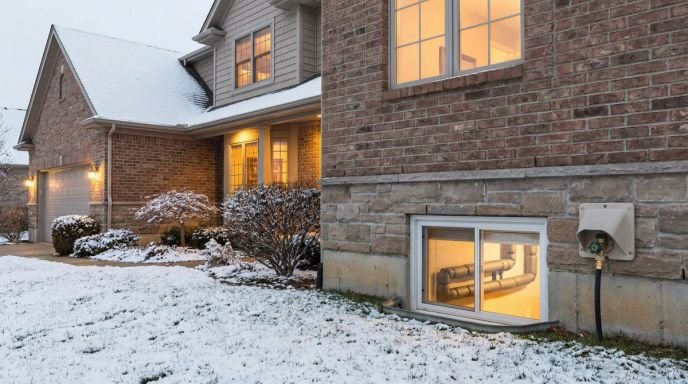
As winter approaches, homeowners and property managers often face the daunting challenge of preventing frozen pipes. The consequences of frozen pipes can range from a minor inconvenience to significant property damage, including burst pipes, extensive water leaks, and costly repairs. Understanding the underlying causes of pipe freezes and implementing proactive preventative measures is crucial for safeguarding your property and maintaining peace of mind during colder months. This comprehensive guide will delve into effective strategies, practical tips, and essential knowledge to help you protect your plumbing system from the harsh realities of freezing temperatures.
Understanding the Risks and Vulnerabilities
Frozen pipes are not just a problem for older homes; even modern constructions can be susceptible if proper precautions are not taken. The primary risk factor is prolonged exposure to temperatures below freezing (32°F or 0°C). However, several other elements can exacerbate this risk. Pipes located in unheated areas such as basements, crawl spaces, attics, garages, and exterior walls are particularly vulnerable. These areas often lack adequate insulation, allowing cold air to penetrate and cool the pipes to dangerous levels. Furthermore, pipes that run along exterior walls or are exposed to drafts through cracks and openings are at a higher risk of freezing.
The material of your pipes also plays a role in their susceptibility to freezing. While copper and PEX pipes are common, older homes might still have galvanized steel or lead pipes, which can also freeze. The diameter of the pipe can also influence how quickly water inside it freezes; smaller diameter pipes tend to freeze faster than larger ones. Understanding these vulnerabilities is the first step in developing an effective prevention strategy. Homeowners should conduct a thorough inspection of their property before winter sets in, identifying any areas where pipes might be exposed or inadequately insulated. Addressing these weak points proactively can significantly reduce the likelihood of a freeze-up.
Insulating Pipes and Exposed Areas
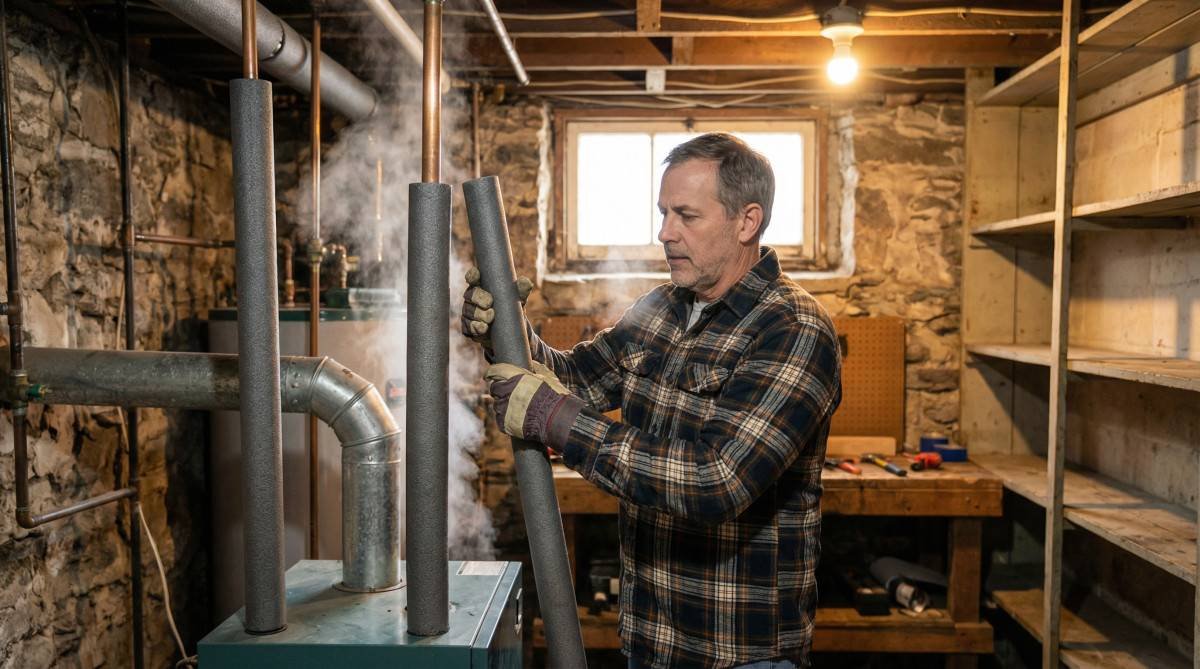
One of the most effective and straightforward methods for preventing pipe freezes is proper insulation. Pipe insulation, available in various materials like foam sleeves, fiberglass, or rubber, acts as a barrier against cold temperatures, helping to maintain the water’s temperature above freezing. It is particularly important to insulate pipes in unheated areas such as basements, crawl spaces, attics, and garages. Even pipes running through exterior walls can benefit from additional insulation, which can be installed by opening up small sections of drywall if necessary. The goal is to create a thermal buffer that slows down the rate of heat loss from the water within the pipes.
Beyond direct pipe insulation, it is crucial to insulate the surrounding areas. Sealing cracks and openings in exterior walls, foundations, and around windows and doors can prevent cold drafts from reaching vulnerable pipes. Using caulk or weatherstripping can effectively block these entry points for cold air. For crawl spaces and attics, ensuring adequate insulation in these spaces themselves will contribute to a warmer environment for the pipes. Consider adding insulation to walls and ceilings adjacent to pipes that are known to be problematic. A well-insulated home not only protects your pipes but also improves energy efficiency, leading to lower heating bills during the winter months.
Maintaining Consistent Indoor Temperatures
While it might seem counterintuitive to heat areas that are not regularly used, maintaining a consistent indoor temperature is a critical defense against frozen pipes. During cold snaps, it is advisable to keep your thermostat set to at least 55°F (13°C), even if you are away from home. This ensures that enough residual heat circulates throughout the house, including into walls and unheated spaces, to prevent pipes from reaching freezing temperatures. Lowering the thermostat significantly to save energy when you are away can be a false economy if it leads to burst pipes and costly water damage.
For areas with exposed pipes, such as under sinks or in utility rooms, opening cabinet doors can allow warmer air from the heated living spaces to circulate around the plumbing. This simple action can make a significant difference, especially during extreme cold. If you have a garage with water supply lines, ensure the garage door remains closed as much as possible, and consider adding a small space heater if temperatures consistently drop below freezing. The aim is to prevent any part of your plumbing system from experiencing prolonged exposure to temperatures that could cause water to freeze and expand, leading to potential ruptures.
Draining and Protecting Outdoor Plumbing
Outdoor plumbing, including garden hoses, sprinkler systems, and outdoor faucets, is particularly susceptible to freezing because it is directly exposed to the elements. Before the first hard freeze, it is imperative to properly drain and protect these systems. Start by disconnecting all garden hoses from outdoor faucets. Leaving hoses attached can trap water in the faucet and supply line, which can freeze and cause the pipe to burst, even inside your home. Once disconnected, drain any remaining water from the hoses and store them indoors.
For outdoor faucets, locate the shut-off valve inside your home (usually in the basement or near the main water supply) and turn off the water supply to the outdoor spigot. Then, open the outdoor faucet to allow any trapped water to drain out. If your outdoor faucets are not “frost-free” types, consider installing insulated covers over them for added protection. For sprinkler systems, the process involves shutting off the main water supply to the system and then using the drain valves or a compressor to blow out any remaining water from the lines. Consulting a professional for sprinkler system winterization is often recommended to ensure it is done correctly and completely.
Emergency Measures and What to Do If Pipes Freeze
Despite all preventative measures, sometimes pipes can still freeze. Knowing how to react quickly can minimize damage. If you suspect a pipe has frozen (e.g., no water coming from a faucet, visible frost on a pipe), the first step is to locate the frozen section. Often, this will be in an unheated area or along an exterior wall. Once located, you can attempt to thaw the pipe using a hairdryer, heat lamp, or electric heating pad. Never use an open flame device, such as a blowtorch, as this poses a significant fire hazard and can damage the pipe.
While thawing, keep the faucet associated with the frozen pipe open. This allows water to flow through as the ice melts, helping to clear the blockage. If the frozen pipe is inaccessible or you are unable to thaw it yourself, it is crucial to call a licensed plumber immediately. If a pipe bursts, the first and most critical action is to shut off the main water supply to your home to prevent extensive flooding. Knowing the location of your main water shut-off valve is essential for every homeowner. After shutting off the water, contact a plumber for emergency repair. Prompt action can significantly reduce the extent of water damage and repair costs.
| Material Type | R-Value (per inch) | Ease of Installation | Cost Effectiveness | Durability |
|---|---|---|---|---|
| Foam Pipe Sleeves | R-3 to R-4 | Very Easy | High | Good |
| Fiberglass Wrap | R-3 to R-4 | Moderate | Medium | Excellent |
| Rubber Insulation | R-4 to R-5 | Easy | Medium | Very Good |
| Heat Tape/Cables | N/A (Active Heating) | Moderate | Low (Operating Cost) | Good |
Frequently Asked Questions About Preventing Pipe Freezes
What temperature do pipes typically freeze at?
Water freezes at 32°F (0°C). However, pipes typically need prolonged exposure to temperatures below this point, often in the range of 20°F (-6°C) or colder, for the water inside to freeze solid. Factors like insulation, wind chill, and pipe location can influence how quickly this happens.
Should I drip faucets to prevent freezing?
Yes, allowing a small trickle of water to flow from faucets connected to vulnerable pipes can help prevent freezing. Moving water is less likely to freeze than stagnant water. Even a slow drip can relieve pressure in the pipe if ice forms, potentially preventing a burst.
How do I winterize my outdoor faucets?
To winterize outdoor faucets, first disconnect all garden hoses. Then, locate the interior shut-off valve for the outdoor spigot and turn it off. Finally, open the outdoor faucet to drain any remaining water from the line. Consider adding an insulated cover for extra protection.
What are the signs of a frozen pipe?
Common signs include no water coming out of a faucet when turned on, visible frost or ice on an exposed pipe, or a bulging section of pipe. A sudden drop in water pressure can also indicate a partial freeze or blockage.
What should I do if a pipe bursts?
If a pipe bursts, immediately shut off the main water supply to your home to stop the flow of water and prevent further damage. Then, contact a licensed plumber for emergency repair. Document the damage with photos for insurance purposes.
Conclusion: Proactive Steps for a Worry-Free Winter
Preventing pipe freezes is an essential aspect of winter home maintenance that can save homeowners from significant stress, inconvenience, and financial burden. By understanding the vulnerabilities of your plumbing system and implementing a combination of insulation, consistent heating, and proper winterization of outdoor fixtures, you can drastically reduce the risk of frozen and burst pipes. Remember that proactive measures, such as inspecting your home before winter and addressing any potential cold spots, are far more effective and less costly than reacting to an emergency. Equip yourself with the knowledge and tools to protect your home, ensuring a warm and worry-free winter season for years to come.