


Natural stone tiles add timeless beauty and value to any space, but their inherent characteristics demand specific care to maintain their pristine condition and longevity. This comprehensive guide will delve into the essential practices for the best way to clean and seal natural stone tiles, ensuring their enduring elegance and protecting your investment for years to come.
Understanding Natural Stone: Porosity and Protection
Natural stone, due to its inherent porosity, is susceptible to stains and damage, making proper cleaning and sealing essential for its preservation.
The geological formation of natural stones like marble, granite, travertine, and slate gives them unique characteristics, including varying degrees of porosity. This porous nature means that liquids, oils, and other substances can easily penetrate the surface if left unprotected. Sealing is crucial because it creates a protective barrier that repels these substances, preventing them from sinking into the stone and causing permanent stains or etching. Without this protective layer, natural stone is vulnerable to aesthetic degradation and structural damage over time. Neglecting to seal natural stone tiles can lead to a dull appearance, deep-seated stains, and even microbial growth in damp environments. Therefore, understanding the porous nature of your stone is the first step in implementing an effective care routine for your natural stone tiles.
The Foundation of Care: Proper Cleaning Techniques
Effective cleaning is the crucial first step before sealing, involving pH-neutral cleaners and specific methods to remove dirt and debris without harming the stone.
Before applying any sealer, it is imperative to ensure the stone surface is immaculately clean. Sealing over dirt, grease, or existing stains will trap these contaminants beneath the protective layer, making them nearly impossible to remove later. The recommended approach involves using a pH-neutral stone cleaner specifically formulated for natural stone. These cleaners effectively lift dirt without compromising the stone’s integrity or stripping away existing sealants. It is vital to avoid acidic cleaners, such as vinegar or lemon juice, as well as alkaline and abrasive products. These harsh chemicals can etch the surface of the stone, dulling its finish and causing irreversible damage. The cleaning process should involve sweeping or vacuuming loose debris, followed by mopping or wiping the surface with the diluted pH-neutral cleaner. Ensure the floor is thoroughly rinsed with clean water and allowed to dry completely before proceeding to the sealing stage.
Choosing the Right Sealer for Your Stone
Selecting the appropriate sealer, primarily between penetrating and topical types, is vital for optimal protection, considering the stone type and installation location.
When it comes to sealing natural stone, there are generally two main categories: penetrating (or impregnating) sealers and topical sealers. Penetrating sealers are often recommended for natural stone because they seep into the pores of the material, providing protection from within while allowing the stone to breathe. This type of sealer does not alter the natural appearance or finish of the stone. Topical sealers, on the other hand, create a physical barrier on the surface of the tile. While they can offer a glossy finish and strong protection against spills, they may alter the stone’s appearance and can wear away more quickly in high-traffic areas. The choice of sealer depends on several factors, including the porosity of the specific stone, its location (indoor versus outdoor, wet areas versus dry areas), and the desired aesthetic outcome. It is always advisable to perform a patch test in an inconspicuous area to ensure the chosen sealer is compatible with your stone and achieves the desired result. Understanding types of stone sealers is key to making an informed decision.
The Sealing Process: A Step-by-Step Application Guide
Applying natural stone sealer requires meticulous preparation and precise application techniques to ensure maximum protection and a uniform finish.
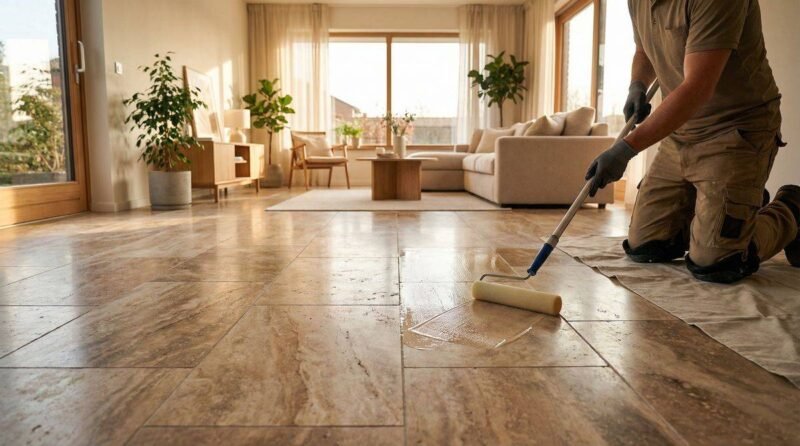
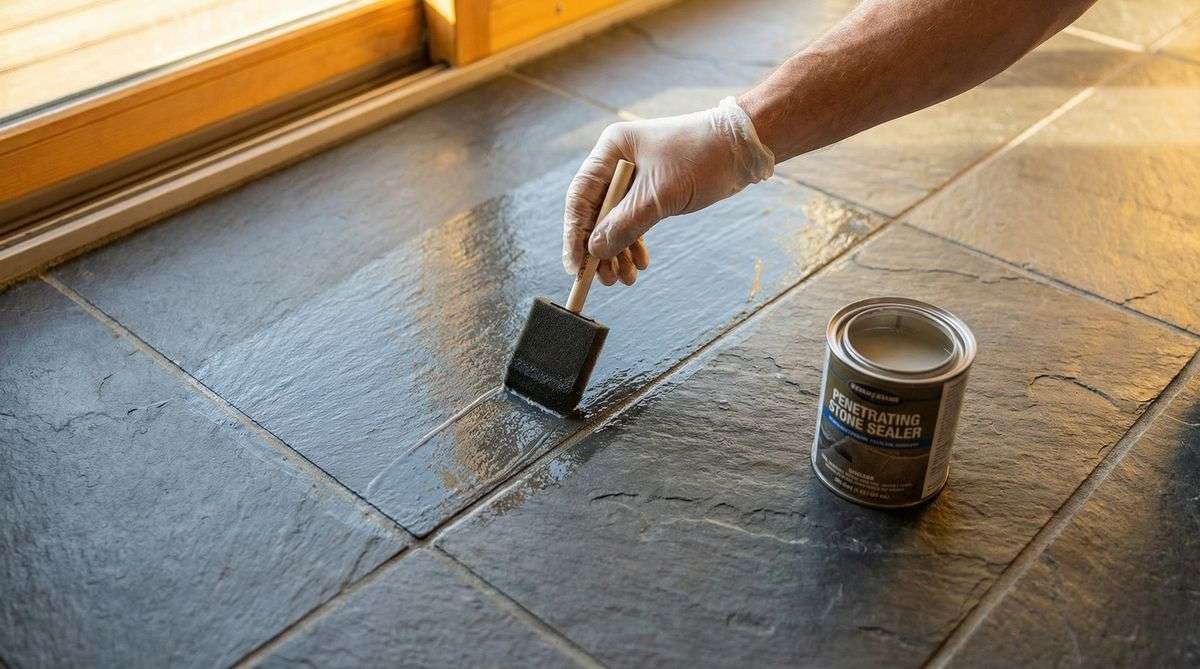
The sealing process for natural stone begins with meticulous preparation. The stone surface must be completely clean and dry, and the area should be well-ventilated. Depending on the product and the size of the area, application tools can include a lamb’s wool applicator, a sponge, a paint pad, or a pump sprayer. The sealer should be applied generously and evenly across the surface. For highly porous stones, multiple coats may be necessary to achieve adequate protection. It is crucial to adhere to the manufacturer’s recommended drying times between coats and before allowing foot traffic or exposure to moisture. A critical step in the process is removing any excess sealer that has not been absorbed by the stone within the specified timeframe. Leaving excess sealer on the surface can result in a hazy or sticky residue. Once the sealer has fully cured, a simple water test can be performed to verify its effectiveness. If water beads up on the surface, the stone is properly sealed; if it absorbs, an additional coat may be required.
Maintaining the Seal: Longevity and Resealing
Regular maintenance and timely resealing are paramount to preserving the protective barrier and extending the life and beauty of natural stone tiles.
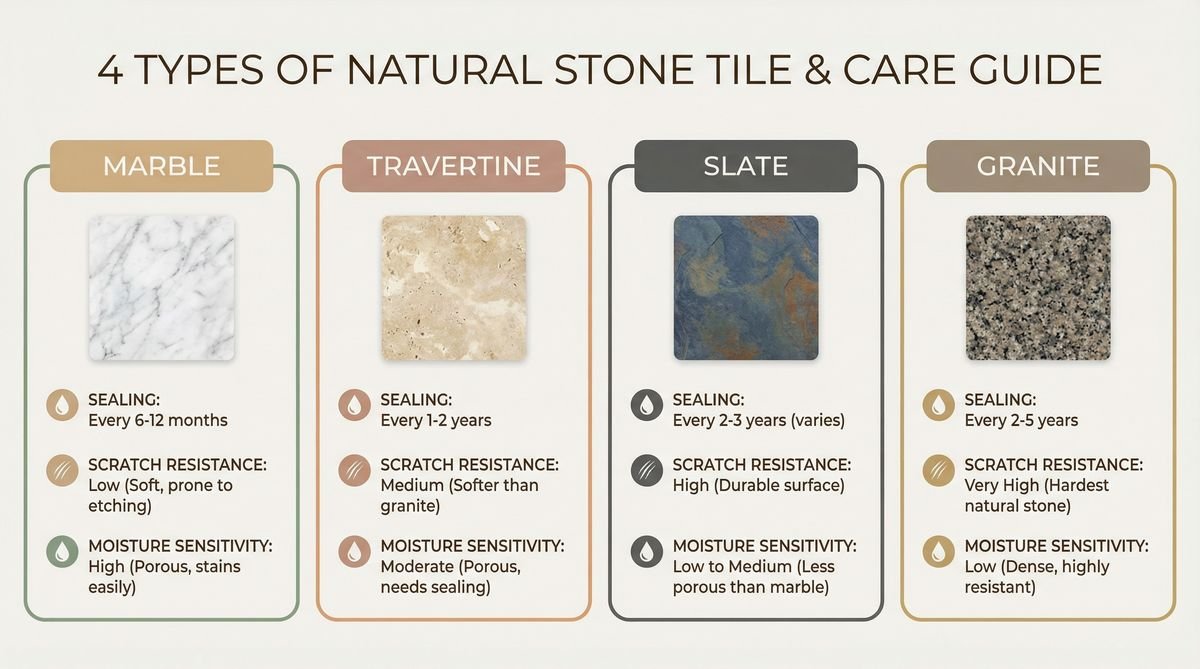
The longevity of a natural stone seal depends on various factors, including the type of stone, the quality of the sealer used, the amount of foot traffic the area receives, and its exposure to moisture and harsh chemicals. Generally, natural stone tiles in high-traffic areas or wet environments, such as bathrooms and kitchens, may require resealing every six months to a year. In contrast, tiles in low-traffic, dry areas might only need resealing every three to five years. This addresses the question of how often to reseal natural stone. Daily care plays a significant role in extending the life of the seal. Promptly cleaning up spills, using coasters and trivets, and employing pH-neutral cleaners for routine maintenance will help preserve the protective barrier. While many homeowners successfully manage routine cleaning and sealing, consulting a professional stone care specialist is recommended for extensive restoration work or if you are unsure about the best products and techniques for your specific stone.
Common Sealing Mistakes and How to Avoid Them
Avoiding common pitfalls during the cleaning and sealing process is crucial for achieving optimal results and preventing costly damage to natural stone tiles.
One of the most frequent mistakes is failing to clean the stone thoroughly before applying the sealer. As mentioned earlier, sealing over dirt or stains will permanently trap them. Another common error is using the wrong type of cleaner or sealer for the specific stone, which can lead to etching, discoloration, or inadequate protection. Uneven application or failing to remove excess sealer can result in a hazy, streaky finish that detracts from the stone’s natural beauty. Ignoring the manufacturer’s recommended drying times between coats or before use can compromise the effectiveness of the seal. Finally, treating sealing as a one-time event rather than an ongoing maintenance requirement is a surefire way to allow the stone to degrade over time. By being aware of these common sealing mistakes and adhering to best practices, you can ensure your natural stone tiles remain a stunning and durable feature in your home.
Frequently Asked Questions
Can I use a steam cleaner on natural stone tiles?
While steam cleaning can be effective for some surfaces, it is generally not recommended for natural stone tiles. The intense heat and moisture can potentially damage the sealer and, in some cases, cause the stone to crack or spall, especially if there are existing fissures or weaknesses.
How long does natural stone sealer last?
The lifespan of a natural stone sealer varies widely depending on the type of stone, the quality of the sealer, and the environment. In high-traffic or wet areas, it may last 6 to 12 months, while in low-traffic, dry areas, it could last 3 to 5 years. Regular water testing helps determine when resealing is necessary.
Is it possible to remove old sealer before applying a new one?
Yes, it is possible to remove old sealer using specialized stone strippers. However, this is often a complex and potentially hazardous process that requires careful handling of chemicals. It is frequently recommended to seek professional assistance for stripping and resealing natural stone to avoid damaging the surface.
What should I do if my sealed stone still gets stained?
If a stain occurs despite the stone being sealed, it is crucial to address it promptly. Identify the type of stain (e.g., oil-based, organic, rust) and use a specific poultice designed to draw that particular stain out of the stone. Avoid using harsh, generic cleaners that could further damage the seal or the stone itself.
Are there eco-friendly sealing options available?
Yes, there are eco-friendly and low-VOC (volatile organic compound) sealers available on the market. These products offer effective protection for natural stone while minimizing environmental impact and reducing exposure to potentially harmful fumes during application.
Conclusion
Proper cleaning and sealing are indispensable for preserving the inherent beauty and extending the lifespan of natural stone tiles. By understanding the unique properties of your stone, employing correct cleaning methods, selecting the right sealer, and adhering to a consistent maintenance schedule, you can ensure your natural stone surfaces remain a stunning feature in your home for decades to come. Embrace these practices to protect your investment and enjoy the timeless elegance of natural stone.