



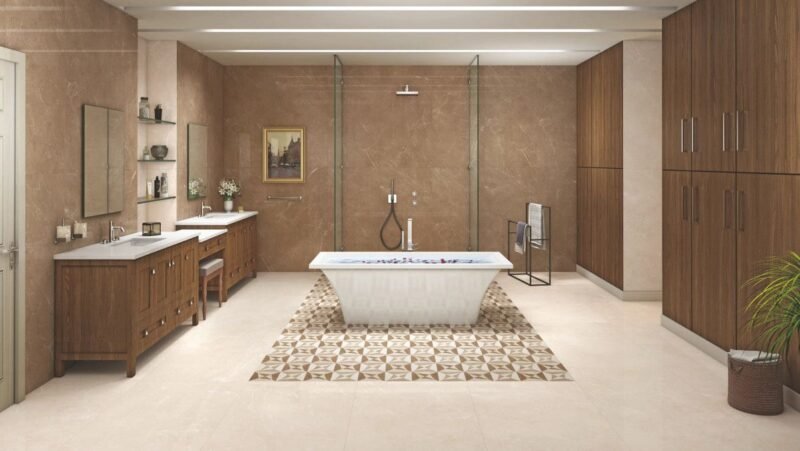
Bathroom design today focuses on more than just basic functionality. Homeowners increasingly consider factors such as hygiene, comfort, and efficient use of space when selecting sanitary fixtures. One of the common decisions during bathroom planning is whether to install a squatting pan or a Western toilet. Both options are widely used and offer different advantages depending on lifestyle, health needs, and available space. Understanding how these fixtures differ can help homeowners choose a solution that supports comfort, practicality, and everyday convenience.
What Is a Squatting Pan?
A squatting pan is a floor-level toilet fixture designed for use in a squatting position. Common in many Asian countries, this traditional design is still widely used in homes and public facilities. The pan is installed directly into the floor, allowing users to squat over it, which keeps the structure simple and easy to maintain. Many people believe the squatting posture supports more natural bowel movements and may help reduce strain during use. Squatting pans are also known for being cost-effective, using minimal plumbing, and reducing direct contact with surfaces in shared spaces.
Understanding the Western Toilet
A Western toilet is a seated sanitary fixture commonly found in modern homes, hotels, and commercial buildings. It features a raised ceramic bowl with a seat and a flushing system, making it convenient and comfortable for everyday use. The seated design reduces pressure on the knees and back, making it suitable for elderly users and people with mobility concerns. Western toilets are available in various styles such as floor-mounted, wall-hung, one-piece, and two-piece models. Modern designs often include dual-flush systems, soft-close seats, and sleek finishes that complement contemporary bathroom interiors.
Key Differences Between Squatting Pan and Western Toilet
When comparing a squatting pan and a Western toilet, several factors influence their usability, comfort, and practicality in different bathroom settings.
Feature
Squatting Pan
Western Toilet
Posture
Requires the user to squat
Allows the user to sit comfortably
Installation
Installed at floor level with simpler plumbing
Usually includes a flush tank and may need additional support
Water Usage
Typically uses less water per use
May use more water, though dual-flush systems improve efficiency
Accessibility
Can be difficult for elderly users or those with mobility issues
Easier for elderly individuals and people with joint pain
Hygiene
Minimises direct contact with surfaces
Modern designs include antibacterial ceramic and efficient flushing
Both fixtures offer practical advantages, and the ideal choice often depends on user comfort, accessibility needs, and the overall bathroom layout.
Health and Hygiene Considerations
Health considerations often influence the choice between a squatting pan and a western toilet, as each design offers distinct advantages depending on user comfort and physical needs.
Natural posture: Squatting is often believed to support more natural bowel movement by aligning the colon effectively.
Reduced strain: This posture may help reduce straining and support smoother digestion for some users.
Comfort considerations: Squatting can be difficult for people with knee pain, arthritis, or balance issues.
Ease of use: A Western toilet provides a more comfortable and stable option for elderly individuals or those with mobility concerns.
Hygiene factors: Cleanliness depends on good maintenance practices, quality ceramic surfaces, and efficient flushing systems.
Safety features: Slip-resistant flooring and proper bathroom design can improve hygiene and safety for both options.
In many homes, especially multi-generational households, both fixtures may be installed to accommodate different user preferences and needs.
Choosing the Best Option for Your Bathroom
Selecting between a squatting pan and a Western toilet depends on several practical factors. Bathroom size is one of the key considerations, as squatting pans occupy less vertical space and can work well in compact layouts. Western toilets, especially wall-mounted designs, can also optimise space while giving bathrooms a modern appearance. User comfort is another important aspect, particularly for families with elderly members or individuals recovering from injuries. With thoughtfully designed sanitary solutions from brands such as Simpolo Tiles & Bathware, homeowners can explore options that balance functionality, comfort, and modern bathroom design.
Conclusion
Modern bathrooms often combine traditional practicality with contemporary comfort. While squatting pans continue to be valued for their simplicity and space efficiency, Western toilets are preferred for their convenience and accessibility. Many households choose to install both options to accommodate different user preferences and age groups. This approach allows bathrooms to remain practical and comfortable for everyone in the home. Ultimately, the choice between the two depends on lifestyle needs, available space, and long-term usability, ensuring that the selected fixture supports both hygiene and everyday comfort.